HomeAll BattlesHistorical Periods
  1. Home
  2. ›
  3. Revolution of 1848
  4. ›
  5. Battle of Segesvár (Sighișoara)

Battle of Segesvár (Sighișoara)(1849)

Explore on Interactive Map
July 31, 1849·Russian V Corps + Austrian victory·land·rolling hills, agricultural plain near Sighișoara

Background

By late July 1849 the Hungarian Revolution faced total collapse: Russian forces invaded from the north and east while Austria pressed from the west. Segesvár was part of Bem's desperate attempt to maintain operational freedom.

Campaign: Apuseni Mountain Campaign 1848-49

Forces Engaged

The Battle of Segesvár. The Russian army led by Lüders defeats the Hungarian army led by Bem.
The Battle of Segesvár. The Russian army led by Lüders defeats the Hungarian army led by Bem. (c. 2022) — Sylvain1975. CC BY-SA 4.0.
Defeated
Hungarian Revolutionary Army
Commander: General Józef Bem
Strength: 6,000
Victor
Russian V Corps + Austrian
Commander: General von Lüders
Strength: 18,000

The Battle

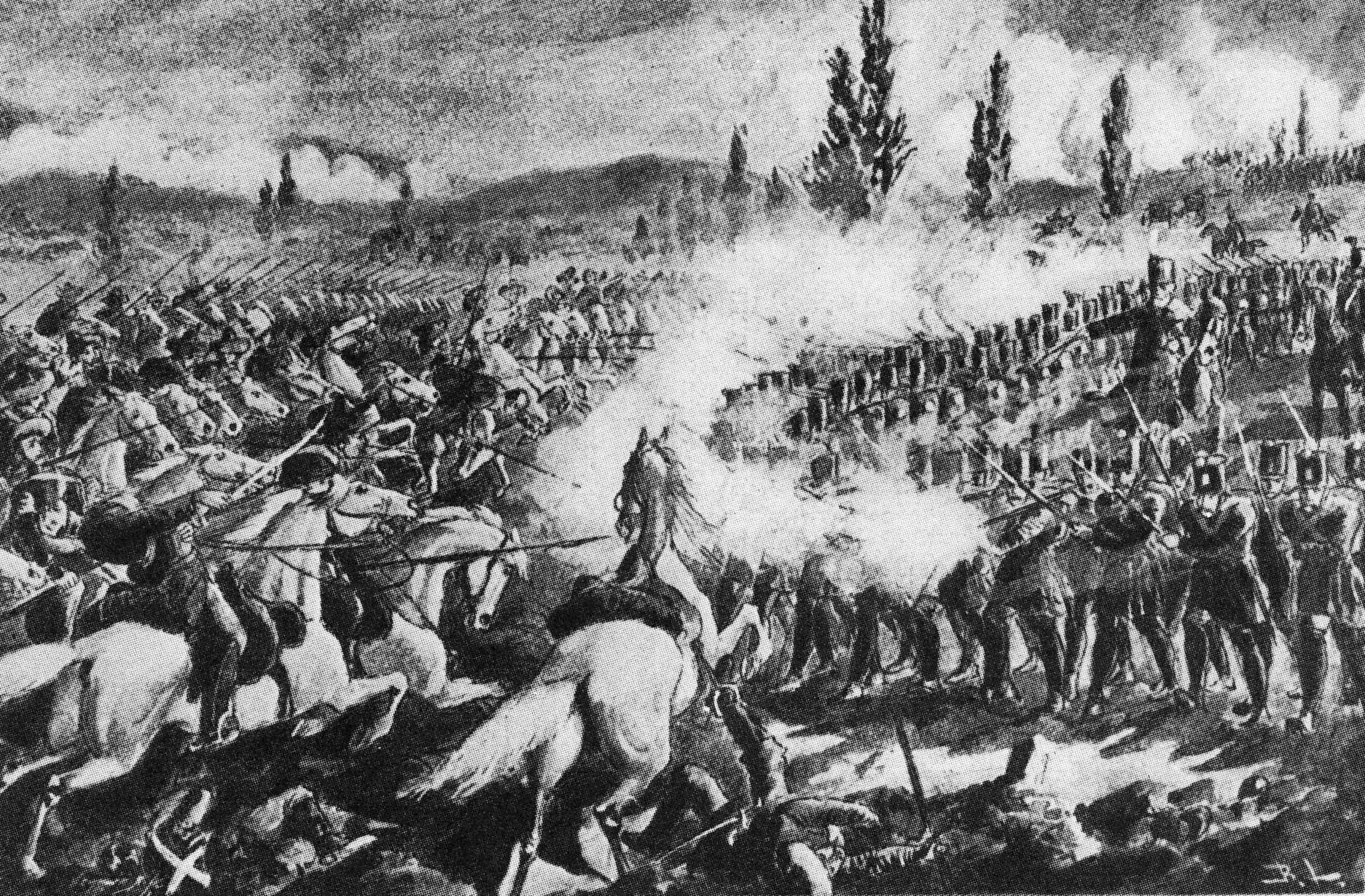
The Battle of Segesvár, July 31, 1849 — Hungarian infantry firing on Russian cavalry, painting by László Bellony
The Battle of Segesvár, July 31, 1849 — Hungarian infantry firing on Russian cavalry, painting by László Bellony (c. 1849) — László Bellony (1871–1913). Public domain.

Russian cavalry encircled the Hungarian right flank; the front collapsed. Poet Sándor Petőfi was killed here.

The Battle of Segesvár, also called the Battle of Fehéregyháza, was a battle in the Hungarian Revolution of 1848, fought on 31 July 1849 between the Hungarian revolutionary army under the command of Lieutenant General Józef Bem and the Russian V Corps under General Alexander von Lüders. The battle ended with the victory of the Russian army, which was presumably the death location of the Hungarian poet and national hero Sándor Petőfi, but his body was never found. Furthermore, The Chief of Staff Russian V corps, General Grigory Skariatin was killed at the battle. Although heavy, the defeat was not decisive for the Hungarian army of Transylvania, Lieutenant General Józef Bem continuing his resistance in the province until the Battle of Nagycsűr on 6 August 1849.

“"He was last seen running on foot toward Héjjasfalva, in civilian clothes, unarmed." — Russian officer account of Petőfi's final moments

Casualties & Outcome

1,200
Hungarian Revolutionary Army
casualties
?
Russian V Corps + Austrian
casualties

~1,200 killed and wounded including Petőfi (Hungarian); Russian losses modest; Gen. Skariatin killed

Russian V Corps + Austrian achieved victory over Hungarian Revolutionary Army.

The Hungarians lost 1,300 soldiers, while the Russians lost 246 soldiers. During the first week of August 1849 the majority of Transylvania fell into the hands of the Russians and Austrians. During the month and a half which passed until the start of the Russian intervention in Transylvania, the losses of the Hungarian Army of Transylvania mounted to 75% of its soldiers. Despite these huge losses, Lieutenant General Józef Bem completed his task of keeping the invading enemy troops away from the main theater of the war: Hungary.

Historical Record
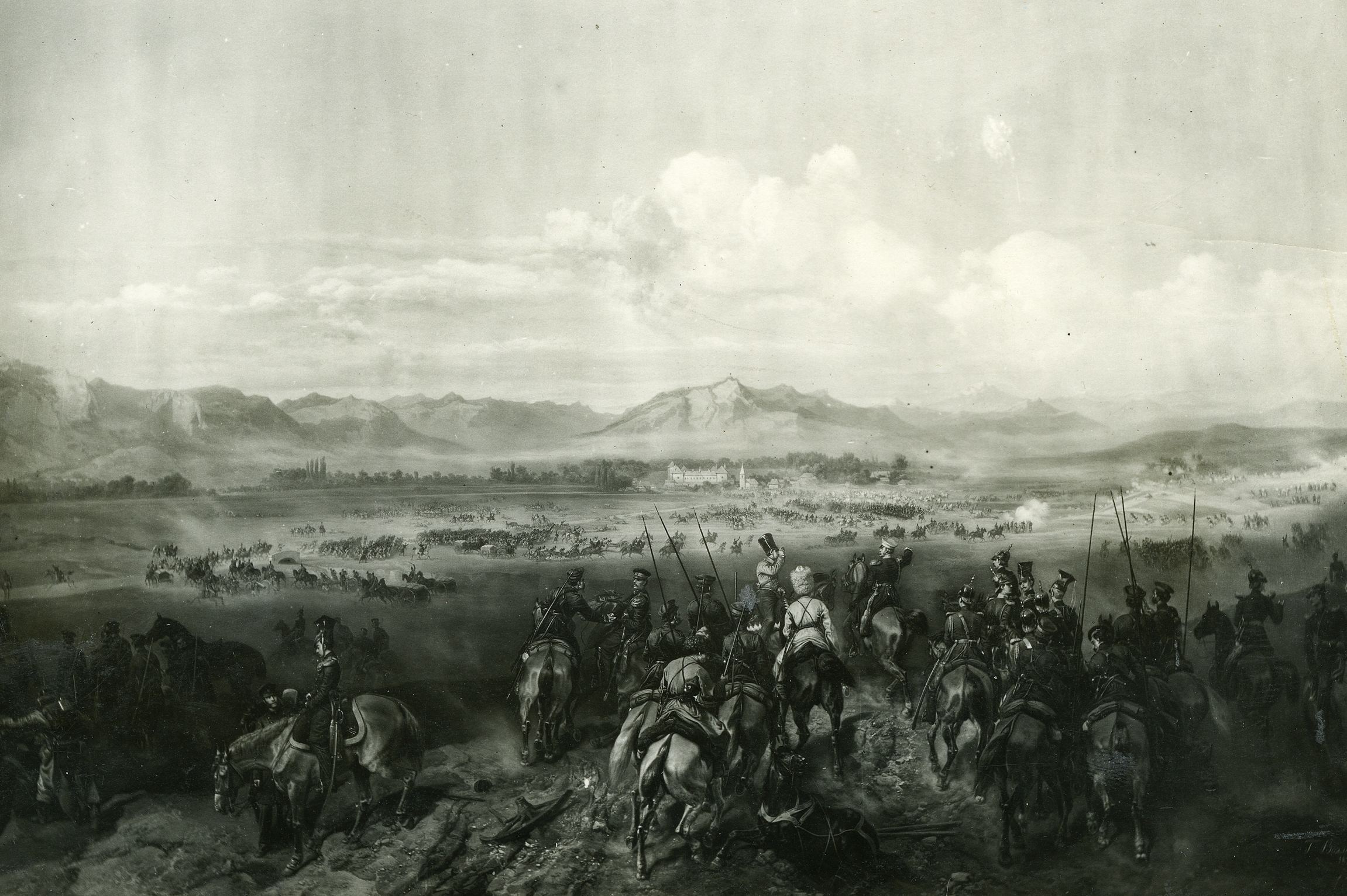
The Battle of Segesvár. The Russian cavalries decisive attack.
The Battle of Segesvár. The Russian cavalries decisive attack. (c. 1849) — Bogdan Willewalde (1819-1903)ː Battle of Segesvár (1849). Public domain.
The funenrary monument of Grigory Skariatin at the battlefield of Segesvár
The funenrary monument of Grigory Skariatin at the battlefield of Segesvár (c. 1851) — Czerny, Ludwig, Meixner, Johann, Picchioni, Angeloː Skariatin Dem heldenmüthigen kaiserlich russisch. Public domain.
Józef Bem 111 — related to Battle of Segesvár (Sighișoara) (1849)
Józef Bem 111 — related to Battle of Segesvár (Sighișoara) (1849) (c. 1850) — anonymous. Public domain.
Сражение при Сегешваре 31 июля 1849 года
Сражение при Сегешваре 31 июля 1849 года (c. 1850) — Bogdan Willewalde. Public domain.
Petőfi Sándor halála Segesvárott - Hegedüs László festménye 1855 körül.
Petőfi Sándor halála Segesvárott - Hegedüs László festménye 1855 körül. (c. 1855) — Hegedüs László. Public domain.
The death of Domokos Zeyk. Illustration to Mór Jókai's "Az utolsó vers s az utolsó golyó" novel
The death of Domokos Zeyk. Illustration to Mór Jókai's "Az utolsó vers s az utolsó golyó" novel (c. 1874) — Jókai Mór: Az utolsó vers s az utolsó golyó.. Public domain.
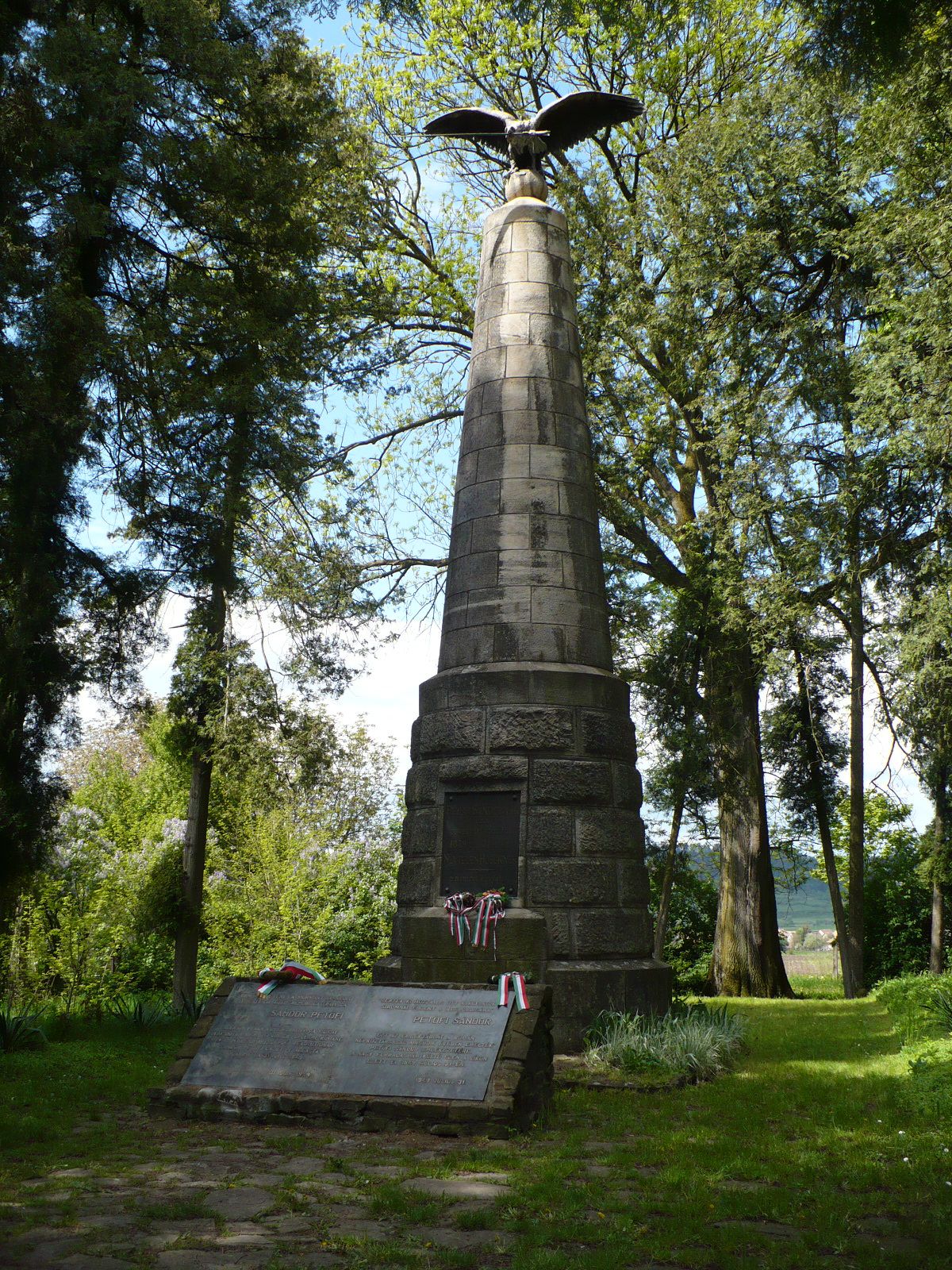
A segesvári csata emlékműve.
A segesvári csata emlékműve. (c. 2008) — Teroses. CC BY-SA 3.0.
The Battle of Segesvár. The Russian army led by Lüders defeats the Hungarian army led by Bem.
The Battle of Segesvár. The Russian army led by Lüders defeats the Hungarian army led by Bem. (c. 2022) — Sylvain1975. CC BY-SA 4.0.
The Battle of Segesvár. The Russian cavalries decisive attack.
The Battle of Segesvár. The Russian cavalries decisive attack. (c. 1849) — Bogdan Willewalde (1819-1903)ː Battle of Segesvár (1849). Public domain.
The funenrary monument of Grigory Skariatin at the battlefield of Segesvár
The funenrary monument of Grigory Skariatin at the battlefield of Segesvár (c. 1851) — Czerny, Ludwig, Meixner, Johann, Picchioni, Angeloː Skariatin Dem heldenmüthigen kaiserlich russisch. Public domain.
Józef Bem 111 — related to Battle of Segesvár (Sighișoara) (1849)
Józef Bem 111 — related to Battle of Segesvár (Sighișoara) (1849) (c. 1850) — anonymous. Public domain.
Сражение при Сегешваре 31 июля 1849 года
Сражение при Сегешваре 31 июля 1849 года (c. 1850) — Bogdan Willewalde. Public domain.
Petőfi Sándor halála Segesvárott - Hegedüs László festménye 1855 körül.
Petőfi Sándor halála Segesvárott - Hegedüs László festménye 1855 körül. (c. 1855) — Hegedüs László. Public domain.
The death of Domokos Zeyk. Illustration to Mór Jókai's "Az utolsó vers s az utolsó golyó" novel
The death of Domokos Zeyk. Illustration to Mór Jókai's "Az utolsó vers s az utolsó golyó" novel (c. 1874) — Jókai Mór: Az utolsó vers s az utolsó golyó.. Public domain.
A segesvári csata emlékműve.
A segesvári csata emlékműve. (c. 2008) — Teroses. CC BY-SA 3.0.

Significance & Legacy

Decisive battle that shattered Hungarian control of Transylvania.

Frequently Asked Questions

When was the Battle of Segesvár (Sighișoara)?
The Battle of Segesvár (Sighișoara) took place in 1849. July 31, 1849.
Who won the Battle of Segesvár (Sighișoara)?
The Russian V Corps + Austrian were victorious against the Hungarian Revolutionary Army.
What was the significance of the Battle of Segesvár (Sighișoara)?
Decisive battle that shattered Hungarian control of Transylvania.

Related Battles

Battle of Rika1848 · Háromszék Székely fighters victoryBattle of Hídvég1848 · Austrian Imperial Forces (Schurtter's brigade) victoryBattle of Feldvár (Feldioara)1848 · Háromszék Székely fighters victoryGreat Assembly of Blaj1848 · Romanian Transylvanians victoryProclamation of Islaz1848 · Revolutionaries victorySkirmish at Beilic Bridge1848 · Ottoman Imperial Army victory
View all Revolution of 1848 battles →

Sources

  • Hitchins, K. — The Romanians 1774–1866
Wikipedia (English)Wikidata← Back to Atlas