Flămânda Offensive(1916)
Approximate site. The pin marks a locally accepted site or a nearby anchor point, not a survey-grade position.
Poiana village, historically also called Flămânda, in Teleorman County — Romanian-side launch area for the Danube crossing near Zimnicea
Coordinate source: Poiana (Flămânda) village location via OpenStreetMap / GeoNames context + operation geography
Background
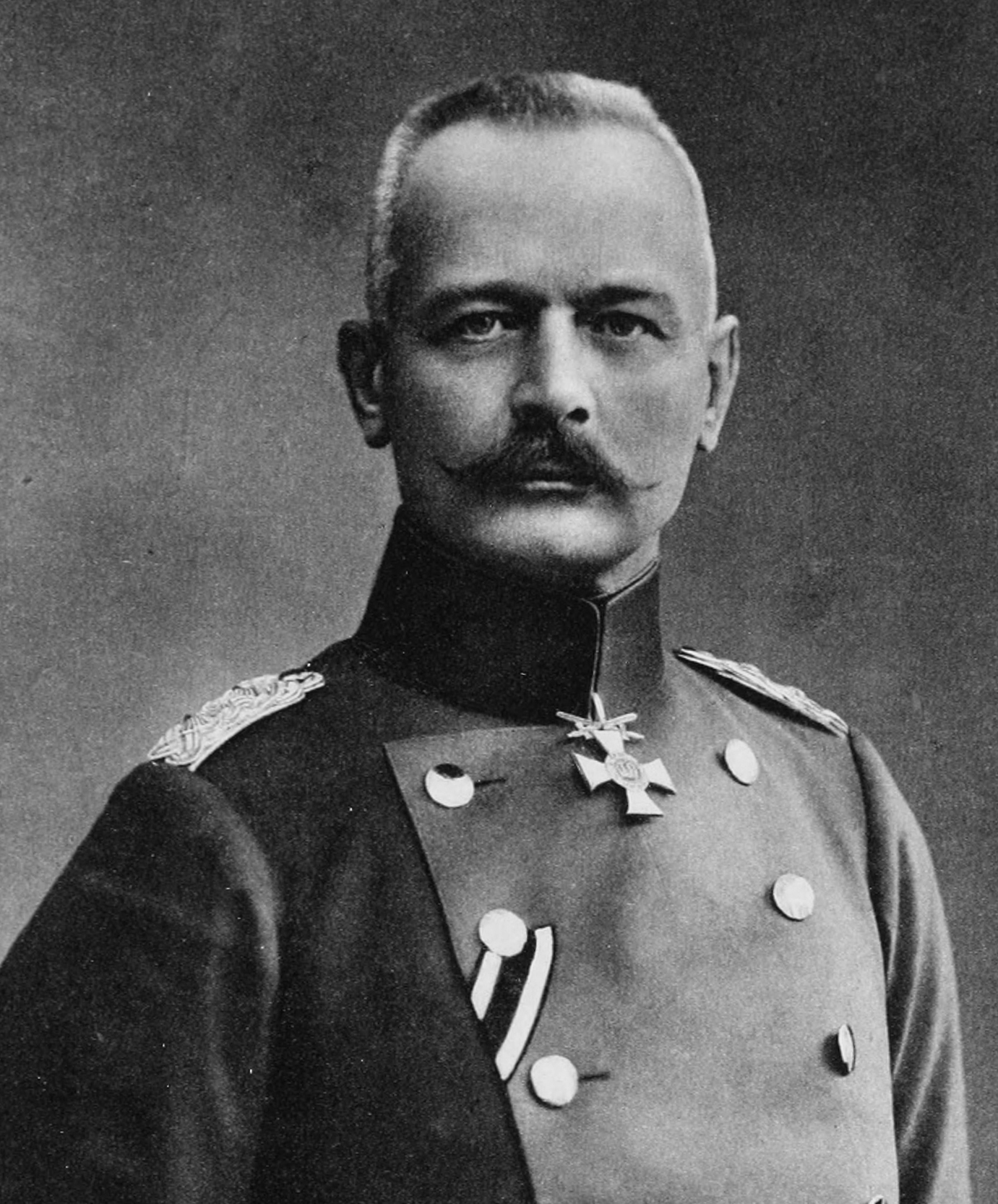
The plan of the offensive General Alexandru Averescu, commander of the Romanian forces Romania joined the Allies in in August 1916 when its forces invaded Transylvania across the border in the Carpathian Mountains. The Romanian forces quickly defeated the small number of Austro-Hungarian forces based in the border area and started their advance into Austro-Hungarian territory, but were soon halted. Meanwhile, a Central Powers force comprising Bulgarian, German and Turkish troops and led by August von Mackensen entered Dobruja in southeastern Romania. Facing more serious threats than expected, the Romanian Crown Council decided to reinforce the 3rd Army, led by General Alexandru Averescu, with more men. Averescu subsequently was put in charge of an army group consisting of the 3rd Army and the 50,000-strong Army of the Dobruja, commanded by General Andrei Zayonchkovski and comprising 17 divisions, and planned to counterattack Mackensen
Campaign: Romanian Campaign 1916
Forces Engaged

The Battle

Ambitious Danube crossing created a bridgehead before a storm and Dobruja collapse forced withdrawal.
The Flămânda Offensive, which took place during World War I between 29 September and 5 October 1916, was an offensive across the Danube mounted by the Romanian 3rd Army supported by Romanian coastal artillery. Named after the hamlet of Flămânda, the battle represented a consistent effort by the Romanian Army to stop the Central Powers
Casualties & Outcome
~3,000 killed and wounded (Romanian); ~2,000 killed and wounded (Bulgarian/German)
Bulgaria / Germany achieved victory over Romania (3rd Army).
The Danube remained a barrier to military operations until half of Mackensen's army crossed it in late November 1916. The damage inflicted by the 12 shots fired by the Romanian shore artillery rendered Körös disabled, being still in repairs at Budapest as of 30 June 1917, when all the other 8 monitors of the Austro-Hungarian Danube Flotilla were stationed in captured Romanian Danube ports: Bodrog, Sava and Maros at Măcin and Bosna, Enns, Leitha, Szamos, and Temes at Brăila. She was still out of action when the armistice with Romania was signed in December 1917 and only became operational once again in April 1918.
Historical Record





Significance & Legacy
Demonstrated Romania's inability to sustain a two-front campaign.
Frequently Asked Questions
- When was the Flămânda Offensive?
- The Flămânda Offensive took place in 1916. Sep 29–Oct 5, 1916.
- What was the outcome of the Flămânda Offensive?
- The Bulgaria / Germany were victorious against the Romania (3rd Army).
- What was the significance of the Flămânda Offensive?
- Demonstrated Romania's inability to sustain a two-front campaign.