HomeAll BattlesHistorical PeriodsMethodologyBattle of Posada (1330)Battle of Vaslui (1475)Battle of Călugăreni (1595)Battle of Varna (1444)Battle of Nicopolis (1396)Battle of Rovine (1394)Long Campaign (1443)Battle of Brașov (1603)Siege of Plevna (1877)Battle of Smârdan (1877)Battle of Mărăști (1917)Battle of Mărășești (1917)Flamanda Maneuver (1916)Battle of Stalingrad (1942)Dacian WarsMedieval PeriodEarly Modern PeriodOttoman Decline1848 RevolutionsRomanian UprisingsWar of IndependenceBalkan WarsWorld War IWorld War IICold War1989 Revolution
  1. Home
  2. ›
  3. Medieval Principalities
  4. ›
  5. Battle of Nicopolis

Battle of Nicopolis(1396)

Explore on Interactive Map
Sep 25, 1396·Ottoman Empire victory·land battle·Danube plain near Bulgarian fortress·Exact site
Map Placement

Exact site. The pin marks a documented battlefield location rather than a broad area.

Nikopol fortress, modern Nikopol, Bulgaria on the Danube

Coordinate source: latitude.to GPS Nikopol Bulgaria

Background

Pope Boniface IX called a crusade to counter Ottoman expansion. Sigismund of Hungary assembled a multinational force; the Wallachians under Mircea joined. French knights' impatience led to a disastrous premature charge.

Campaign: Crusade of Nicopolis 1396

Forces Engaged
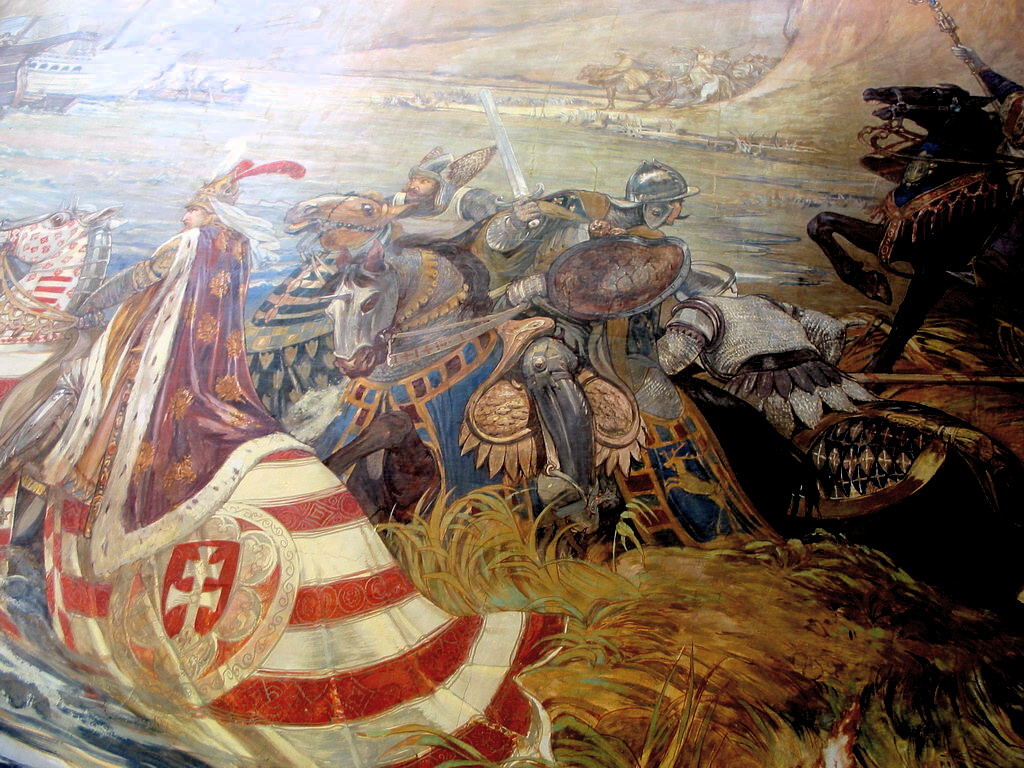
Historical photograph relating to the Battle of Nicopolis (1396): Titusz Vay saves the king Sigismund of Hungary in the Battle of Nicopolis.
Titusz Vay saves the king Sigismund of Hungary in the Battle of Nicopolis. (c. 1896) — Ferenc Lohr. Main hall of the Castle of Vaja.. Public domain.
Defeated
Crusade (Hungary/France/Wallachia/Allied)
Commander: Sigismund of Hungary / Mircea cel Bătrân (Wallachian wing)
Strength: 16,000
Victor
Ottoman Empire
Commander: Sultan Bayezid I
Strength: 25,000

The Battle

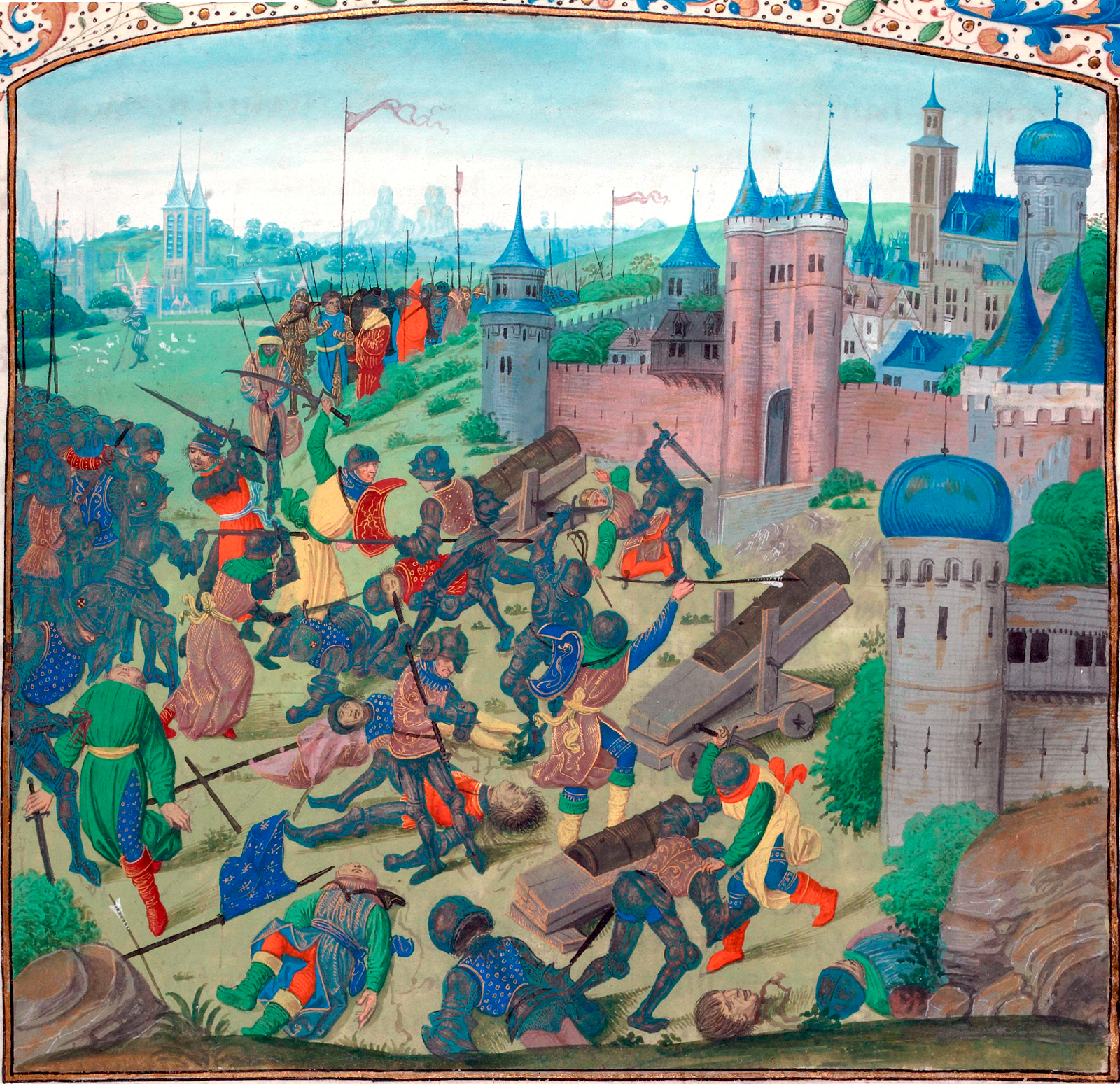
Historical map or illustration showing the Battle of Nicopolis (1396): Depiction of the Battle of Nicopolis (1396), from the medieval Romanian principalities period.
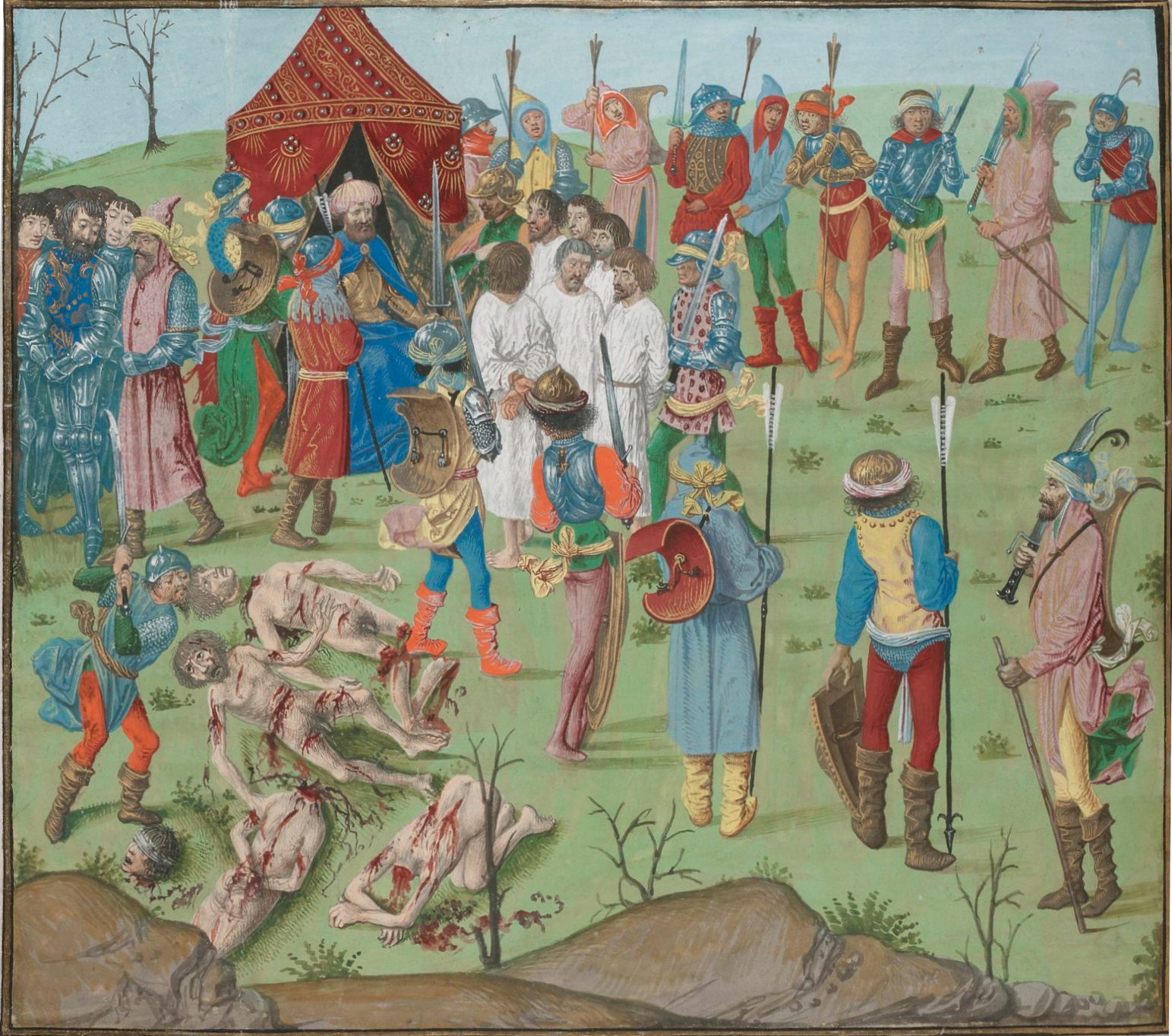
Depiction of the Battle of Nicopolis (1396), from the medieval Romanian principalities period. (c. 1472) — Sébastien Mamerot. Public domain.

The last major crusade of the Middle Ages. French knights charged prematurely against Ottoman spahis; the Christian center collapsed. Mircea's Wallachian cavalry on the right wing performed well initially but could not compensate. Sigismund escaped by boat; thousands of crusaders captured and executed.

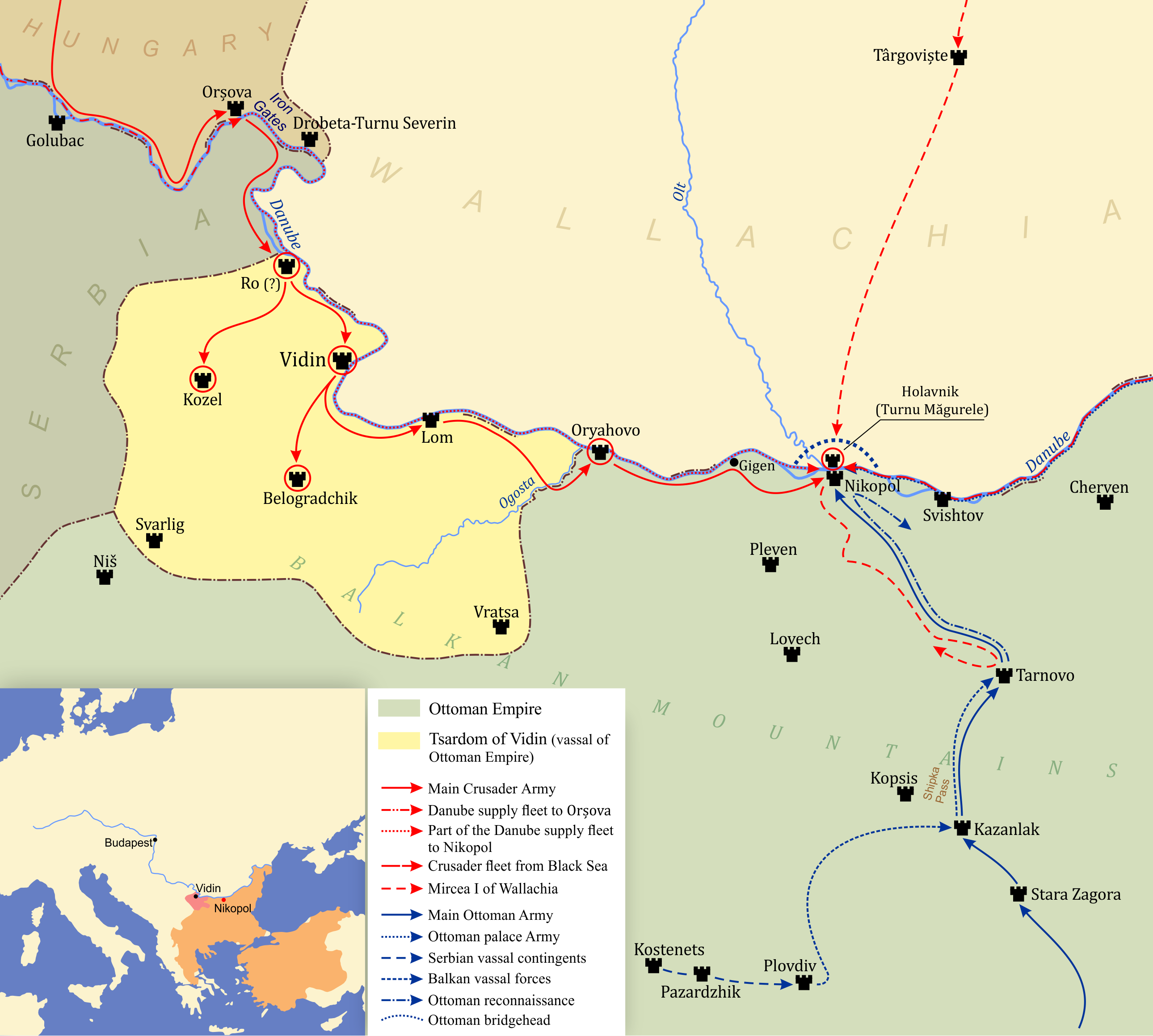
The Battle of Nicopolis took place on 25 September 1396 and resulted in the rout of an allied Crusader army, assisted by the Venetian navy, at the hands of an Ottoman force, raising the siege of the Danubian fortress of Nicopolis and leading to the end of the Second Bulgarian Empire. It is often referred to as the Crusade of Nicopolis, as it was one of the last big Crusades of the Middle Ages, together with the Crusade of Varna in 1443–1444. By their victory at Nicopolis, the Turks discouraged the formation of European coalitions against them. They maintained their pressure on Constantinople, tightened their control over the Balkans, and became a greater threat to Central Europe.

“He reportedly stated, "To take up the rear is to dishonor us, and expose us to the contempt of all" and declared that he would claim front place as Constable and anyone in front of him would do him mortal insult. Coucy, who declared D'Eu's words to be a "presumption", asked for the counsel of Vienne, who noted, "When truth and reason cannot be heard, then must rule presumption." Vienne commented that if D'Eu wished to advance, the army must follow, but that it would be wiser to advance in concert with the Hungarians and other allies. The rest fought on, "no frothing boar nor enraged wolf more fiercely", in the words of one contemporary chronicler.

Casualties & Outcome

3,000
Crusade (Hungary/France/Wallachia/Allied)
casualties
5,000
Ottoman Empire
casualties

Considerable losses

Ottoman Empire achieved victory over Crusade (Hungary/France/Wallachia/Allied).

Thousands of crusaders executed. Western Europe gave up on crusading into the Balkans. Only Mircea continued active resistance.

Historical Record

Archival image of the Battle of Nicopolis (1396): Battle of Nicopolis, 1396 — facsimile of a miniature from the Topkapi Museum, Istanbul
Battle of Nicopolis, 1396 — facsimile of a miniature from the Topkapi Museum, Istanbul (c. 1400) — Unknown Ottoman author, Topkapi Palace Museum. Public domain.
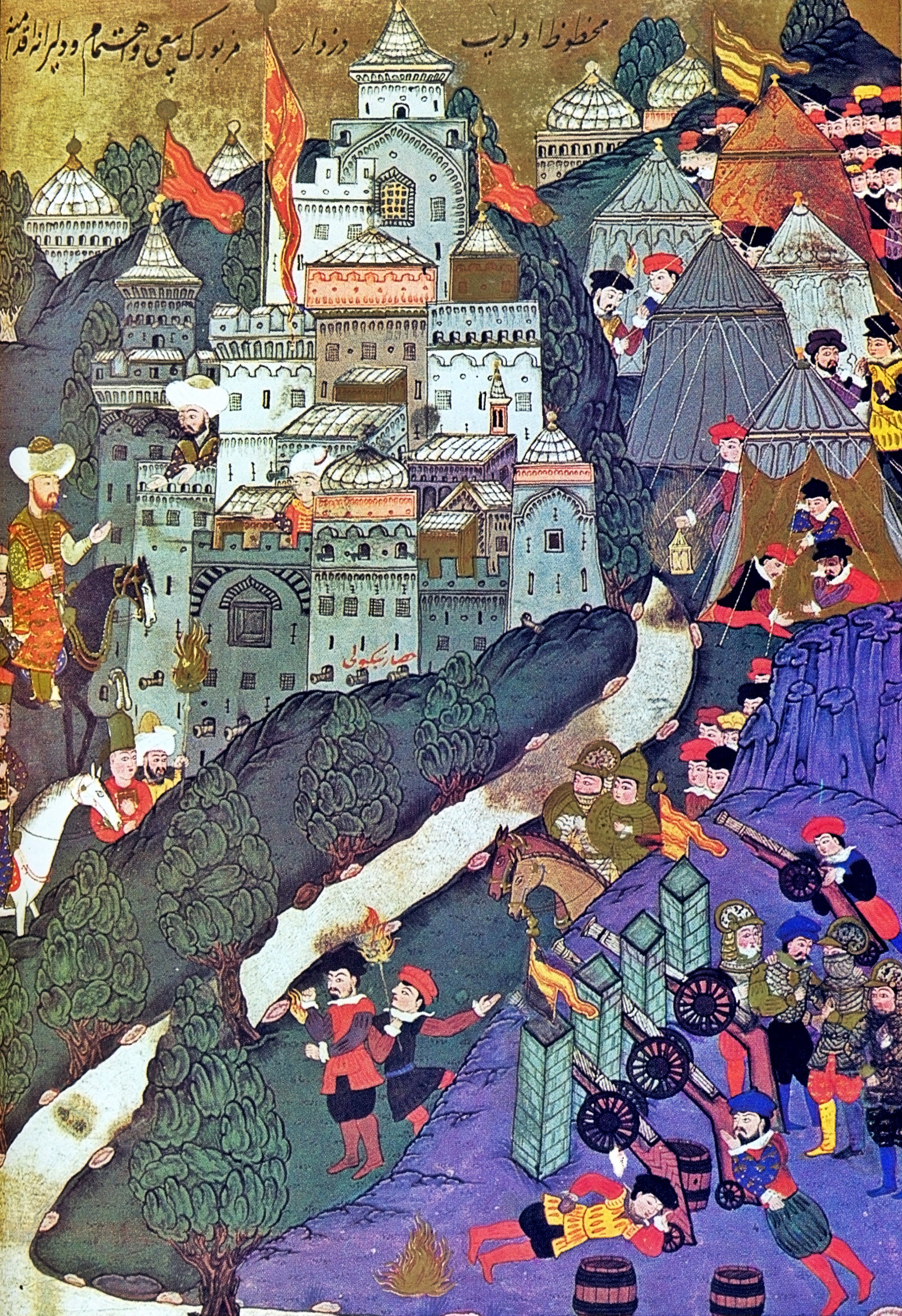
Archival image of the Battle of Nicopolis (1396): Ottoman soldiers at Nicopolis — from the Hünernâme (Ottoman book of heroic deeds)
Ottoman soldiers at Nicopolis — from the Hünernâme (Ottoman book of heroic deeds) (c. 1588) — Lokman, Ottoman court historian (1588). Public domain.
Archival image of the Battle of Nicopolis (1396): Battle of Nicopolis — medieval illustration from the Bibliothèque Nationale de France
Battle of Nicopolis — medieval illustration from the Bibliothèque Nationale de France (c. 1400) — Unknown, Bibliothèque Nationale de France. Public domain.
Archival image of the Battle of Nicopolis (1396): Danube Crusade and Battle of Nikopol (1396).
Danube Crusade and Battle of Nikopol (1396). (c. 2020) — Kandi. CC BY-SA 4.0.
Archival image of the Battle of Nicopolis (1396): Battle of Nicopolis — related to Battle of Nicopolis (1396)
Battle of Nicopolis — related to Battle of Nicopolis (1396) — Unknown. Public domain.
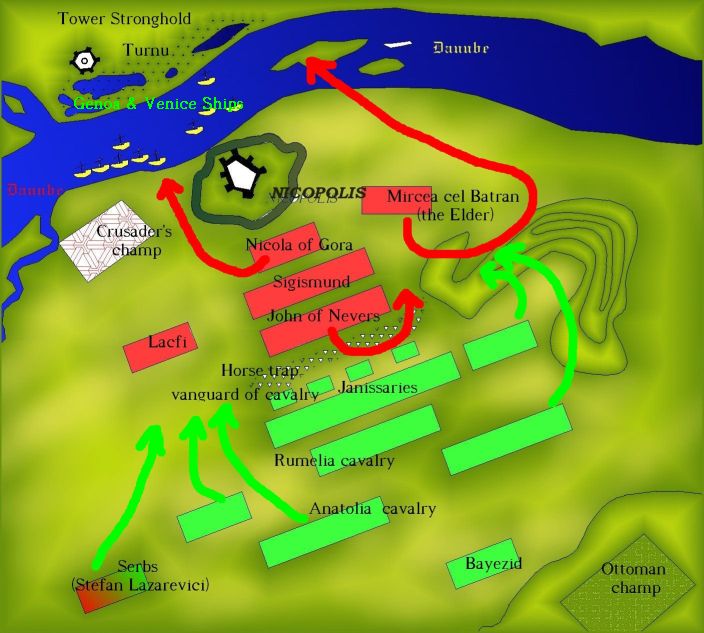
Archival image of the Battle of Nicopolis (1396): Plan of the Battle of Nicopolis (1396)
Plan of the Battle of Nicopolis (1396) (c. 2020) — Kandi. CC BY-SA 4.0.
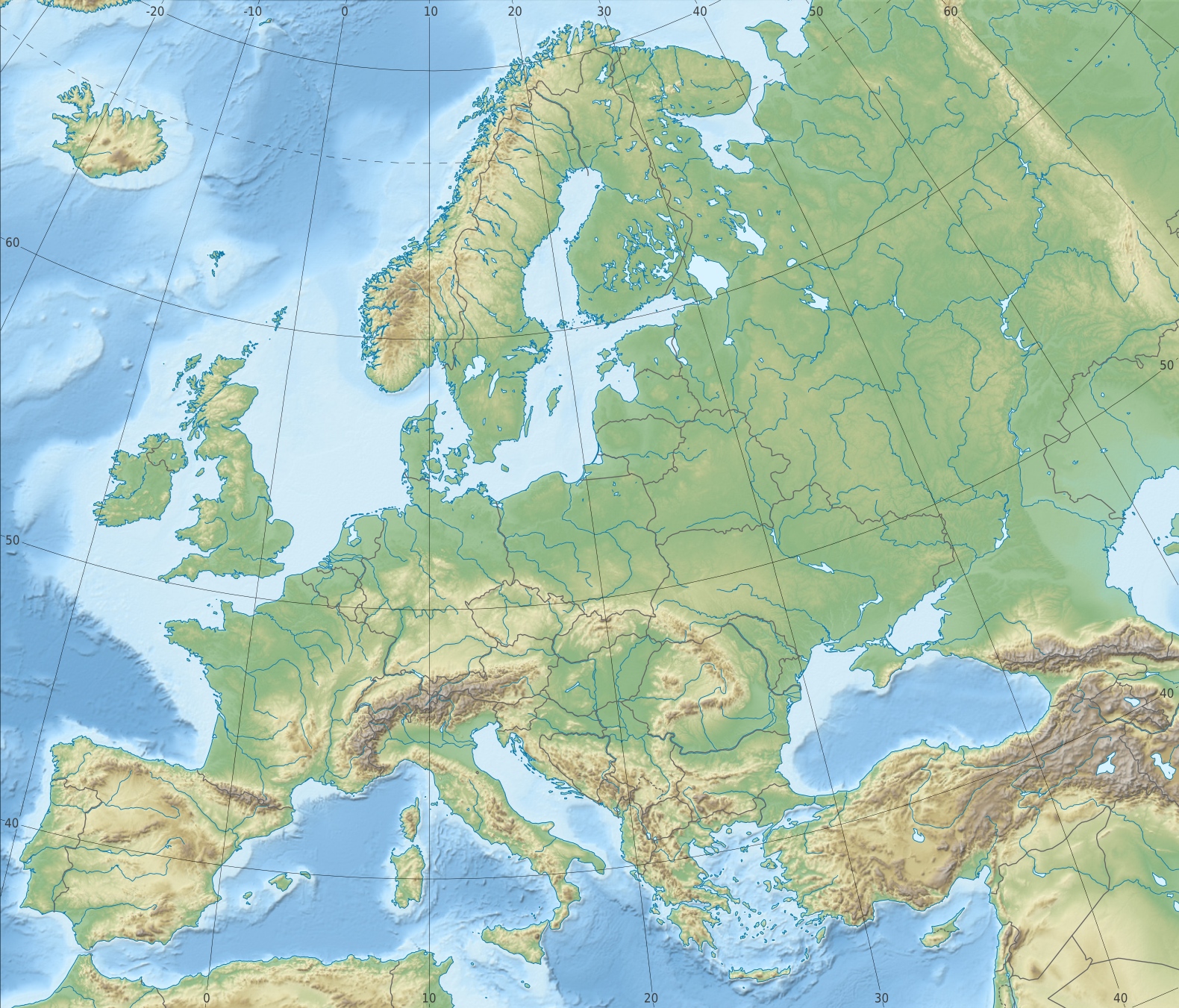
Archival image of the Battle of Nicopolis (1396): Physical location map Europe; Lambert azimuthal equal-area projection
Physical location map Europe; Lambert azimuthal equal-area projection (c. 2010) — Alexrk2. CC BY-SA 3.0.
Archival image of the Battle of Nicopolis (1396): Illustration of the Battle of Nicopolis from a 16th-century chronicle, dated around 1540.
Illustration of the Battle of Nicopolis from a 16th-century chronicle, dated around 1540. (c. 1540) — J. Schiltberger. Public domain.
Archival image of the Battle of Nicopolis (1396): Nicopol final battle 1398 — related to Battle of Nicopolis (1396)
Nicopol final battle 1398 — related to Battle of Nicopolis (1396) — Unknown. Public domain.
Archival image of the Battle of Nicopolis (1396): Battle of Nicopol aftermath Thr masacreofthecristians revenge for rahova massacre — related to Battle of Nicopolis (1396)
Battle of Nicopol aftermath Thr masacreofthecristians revenge for rahova massacre — related to Battle of Nicopolis (1396) (c. 1470) — Master of the Dresden Prayer Book. Public domain.
Archival image of the Battle of Nicopolis (1396): Iron Gate on the Danube.
Iron Gate on the Danube. (c. 2004) — Denis Barthel. CC BY-SA 3.0.
Archival image of the Battle of Nicopolis (1396): Photograph of the Lazarević coat of arms, emblem of the Serbian allies at Nicopolis.
Photograph of the Lazarević coat of arms, emblem of the Serbian allies at Nicopolis. (c. 2007) — Original uploader was Djordjes at sr.wikipedia. CC BY-SA 3.0.
Archival image of the Battle of Nicopolis (1396): Map of the Battle of Nicopole, 1396
Map of the Battle of Nicopole, 1396 (c. 2005) — CristianChirita. Public domain.
Archival image of the Battle of Nicopolis (1396): Icon of simple blue pencil
Icon of simple blue pencil (c. 2012) — User:VasilievVV and user:Jarekt. Public domain.
Archival image of the Battle of Nicopolis (1396): Baie de Medua : Bataille de Nicopolis MEDUA (Albania) (Bahia). 1:80000 MEDUA (Albania) (Bahia). 1: 80000
Baie de Medua : Bataille de Nicopolis MEDUA (Albania) (Bahia). 1:80000 MEDUA (Albania) (Bahia). 1: 80000 (c. 1887) — Virtual Library of Bibliographical Heritage. 4.0.
Archival image of the Battle of Nicopolis (1396): Intrarea trupelor române în Nicopole
Intrarea trupelor române în Nicopole — National Heritage Institute, Bucharest. 4.0.

Significance & Legacy

Ended Western Europe's last organized crusade effort against the Ottomans. Secured Ottoman dominance over the Balkans. Mircea remained the only major ruler to continue resistance.

The Battle of Nicopolis is also widely regarded as the end of the Second Bulgarian Empire, since hopes for its revival had come to an end with the defeat of the Crusaders. They were greeted by minstrels, parties and parades as they journeyed across the kingdom, though Tuchman notes, "the receptions probably represented not so much popular enthusiasm as organized joy, in which the 14th century excelled." With a historian's hindsight Johan Huizinga remarked upon "the lamentable consequences of statecraft recklessly embarking on an enterprise of vital import in the spirit of a chivalrous adventure", though participants and contemporary chroniclers did not analyse the event in these terms. Sigismund, fearful of Wallachian treachery, sailed to the Black Sea and Constantinople before making his way home by sea.

Frequently Asked Questions

When was the Battle of Nicopolis?
The Battle of Nicopolis took place in 1396. Sep 25, 1396.
What was the outcome of the Battle of Nicopolis?
The Ottoman Empire were victorious against the Crusade (Hungary/France/Wallachia/Allied).
What was the significance of the Battle of Nicopolis?
Ended Western Europe's last organized crusade effort against the Ottomans. Secured Ottoman dominance over the Balkans. Mircea remained the only major ruler to continue resistance.

Related Battles

Battle of the Rovine (First — Argeș front, 1394)1394 · Wallachia victoryOttoman Subjugation of Wallachia / Fall of Giurgiu1417 · Ottoman Empire victoryFirst Battle of Kosovo Polje (Wallachian involvement)1389 · Ottoman Empire victoryBattle of Posada1330 · Wallachia victoryBattle of Rovine1395 · Wallachia victoryWallachian Counter-raids into Bulgaria (1397–1400)1397 · Wallachia victory
View all Medieval Principalities battles →

Sources

  • Froissart, Jean — Chronicles
  • Pop, Ioan Aurel — Istoria României
Wikipedia (English)Wikidata← Back to Atlas