Battle of Brașov(1603)
Approximate site. The pin marks a locally accepted site or a nearby anchor point, not a survey-grade position.
Near Brașov — Wallachian-Transylvanian engagement in Long Turkish War
Coordinate source: Geographic context — Brașov area
Background
The decade previous to the battle was a tumultuous one for Transylvania, during which the Habsburg Empire seemed to be losing its grasp on the province. Prince Sigismund Báthory was nominally elected to be its leader in 1581, at the age of nine, and between 1593 and 1601 he had abdicated the throne three times in favour of other members of the family in order to please the imperial interests. After brief spells during which Transylvania was controlled by Wallachian prince Michael the Brave and subsequently by mercenaries of Habsburg general Giorgio Basta, military leader Moses secui instigated the native Transylvanian forces to rebel and, with the support of Turkish-Tartarian auxiliary forces proclaimed himself Prince of Transylvania on 8 May 1603. secui
Campaign: Long Turkish War — Transylvanian Front
Forces Engaged
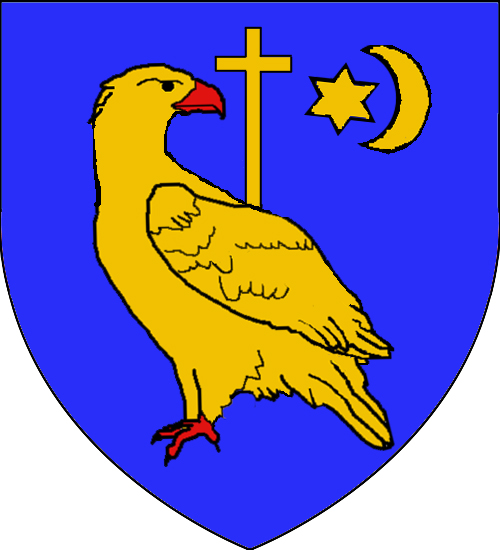
The Battle

Wallachian Voivode Radu Șerban defeated the Ottoman-backed Transylvanian pretender Mózes secui near Brașov, reinforcing Habsburg dominance over Transylvania in the final phase of the Long Turkish War before the Peace of Zsitvatorok (1606).
The Battle of Brașov was fought on July 17, 1603, between the troops of Wallachia led by Radu Șerban, allied with the Habsburg monarchy, on one side, and the Transylvanian troops led by Székely Mózes on the other side.
Casualties & Outcome
Wallachia (Radu Șerban) achieved victory over Transylvanian Nobility (Mózes secui).
Radu Șerban became ruler of Transylvania until September 1603. Despite initial fears from Giorgio Basta that Șerban would try to claim Transylvania for himself after the battle, mirroring Michael the Brave, Basta and the imperial commissioners took control of the country in the name of the emperor.
Historical Record

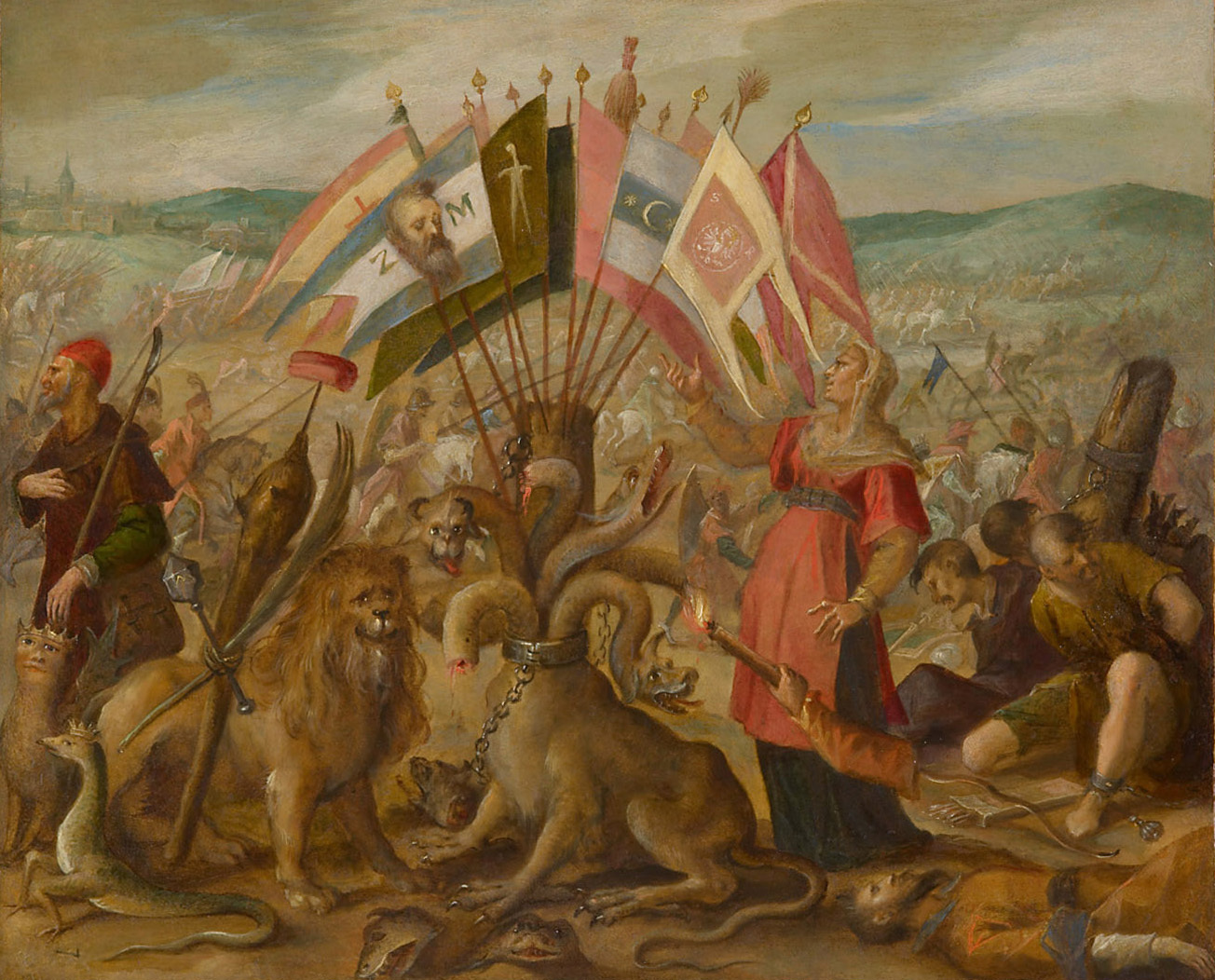
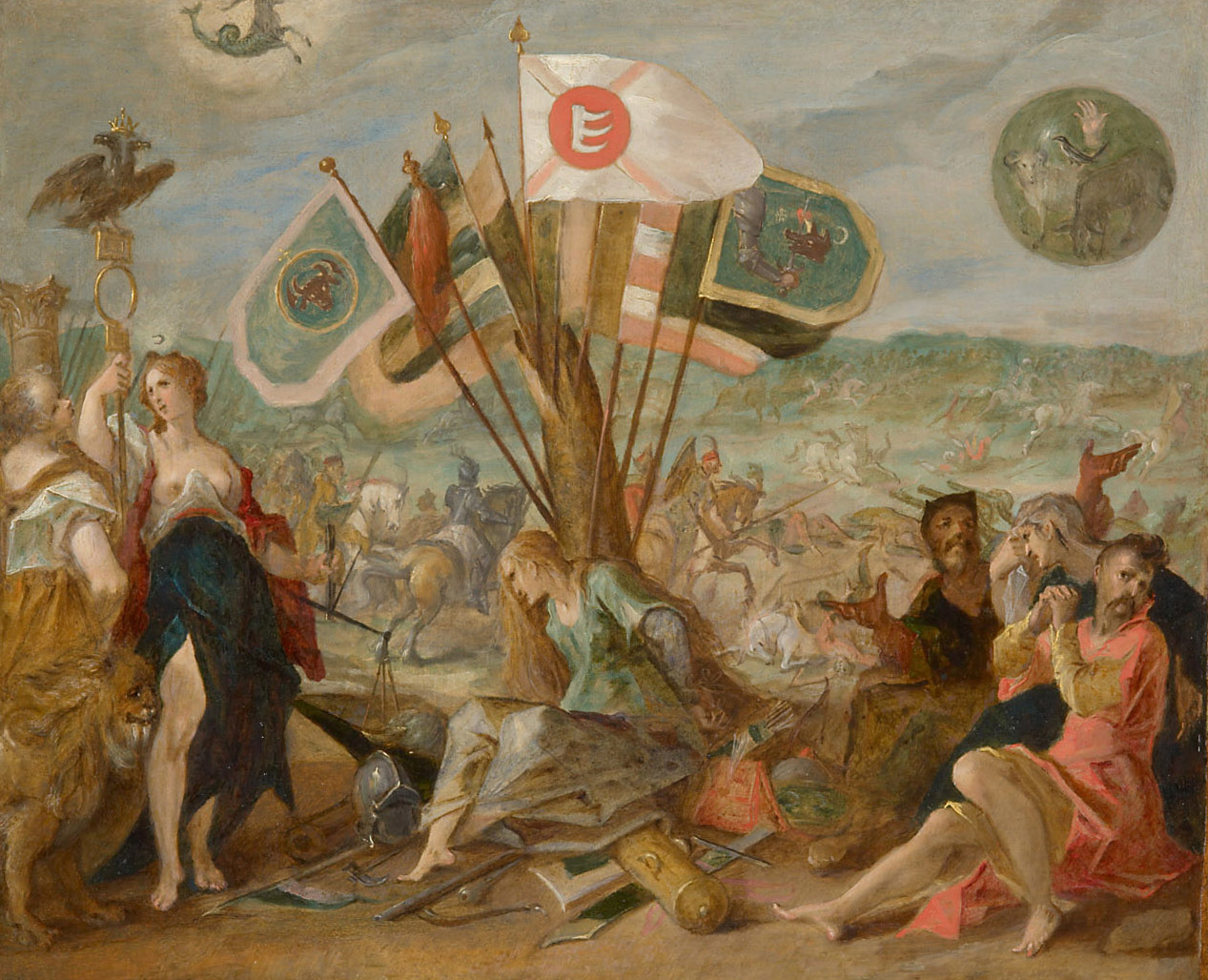
Significance & Legacy
Confirmed Habsburg-aligned Wallachian control and ended secui's brief attempt at an Ottoman-sponsored Transylvanian principate. Part of the postscript of Michael the Brave's era.
Frequently Asked Questions
- When was the Battle of Brașov?
- The Battle of Brașov took place in 1603. 1603.
- What was the outcome of the Battle of Brașov?
- The Wallachia (Radu Șerban) were victorious against the Transylvanian Nobility (Mózes secui).
- What was the significance of the Battle of Brașov?
- Confirmed Habsburg-aligned Wallachian control and ended secui's brief attempt at an Ottoman-sponsored Transylvanian principate. Part of the postscript of Michael the Brave's era.