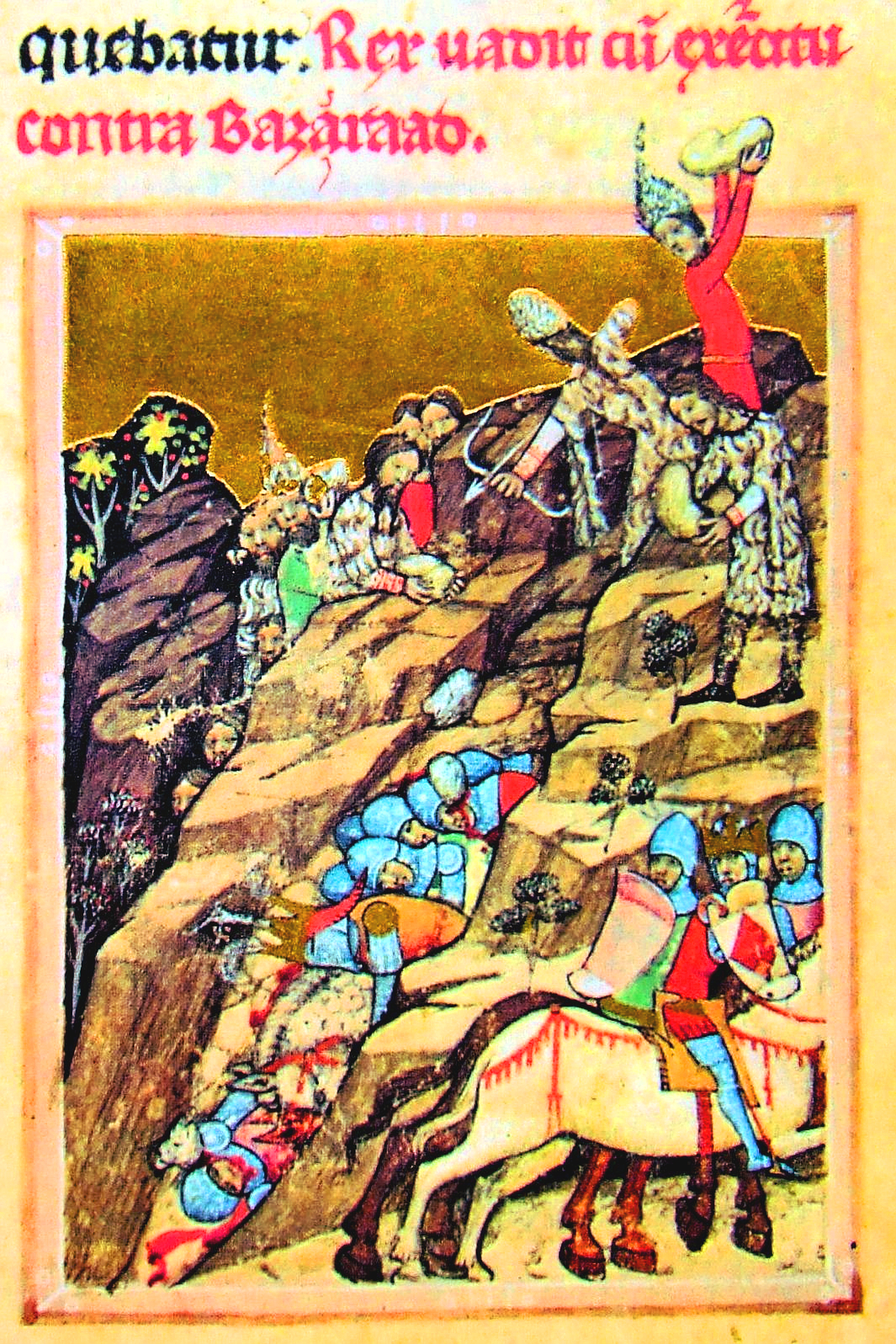
left|The army of Charles Robert Anjou ambushed by Basarab's army at Posada from Vienna Illuminated Chronicle (1370/1373). The Vlach (Romanian) warriors rolled down rocks over the cliff edges in a place where the Hungarian mounted knights could neither escape from them nor climb the heights to dislodge the Vlach warriors. In a diploma, dated July 26, 1324, King Charles I of Hungary refers to Basarab as "our voivode of Wallachia" (woiuodam nostrum Transalpinum) which indicates that at that time Basarab was a vassal of the king of Hungary. In short time, however, Basarab refused to accept the suzerainty of the king, for neither Basarab's growing power nor the active foreign policy he was conducting on his own account to the south could be acceptable in Hungary. In a new diploma, dated June 18, 1325, King Charles I mentions him as "Basarab of Wallachia, unfaithful to the king's Holy Crown" (Bazarab Transalpinum regie corone infidelem). The war started with encouragement from the Voivode of Transylvania and a certain Dionisie, who later bore the title Ban of Severin. In 1330, Charles captured the long disputed Wallachian citadel of Severin and handed it to the Transylvanian Voivode.
Campaign: Wallachian Independence War 1330
Forces Engaged
Budapest, Hungarian National Gallery, József Molnár, warrior Dezsö sacrifices his life for King Charles Robert, 1855 (c. 2024) — Dguendel. CC BY 4.0.
Victor
Wallachia
Commander: Basarab I (Basarab the Founder)
Strength:10,000 (est.)
Defeated
Kingdom of Hungary
Commander: Charles I of Hungary (Charles Robert of Anjou)
Strength:30,000
The Battle
Battle of Posada in the Chronicon Pictum (Képes Krónika) — Wallachians ambushing the Hungarian army in a mountain pass (c. 1358) — Unknown author, Chronicon Pictum (1358). Public domain.
Basarab I ambushed Charles I's retreating Hungarian army in a mountain pass in the Carpathians. Four-day running battle through narrow defiles devastated the Hungarian force; Charles I escaped disguised as a common soldier.
The Battle of Posada was fought between Basarab I of Wallachia and Charles I of Hungary . The small Wallachian army led by Basarab, formed of cavalry and foot archers, as well as local peasants, managed to ambush and defeat the 30,000-strong Hungarian army, in a mountainous region.
Casualties & Outcome
500
Wallachia
casualties
10,000
Kingdom of Hungary
casualties
Very heavy | Light
Wallachia achieved victory over Kingdom of Hungary.
The victory represented the survival of the Wallachian state, as well as the beginning of a period of tense relations between Basarab and the Kingdom of Hungary, which lasted until 1344, when Basarab sent his son Alexandru in order to re-establish a relationship between the two states.
Historical Record
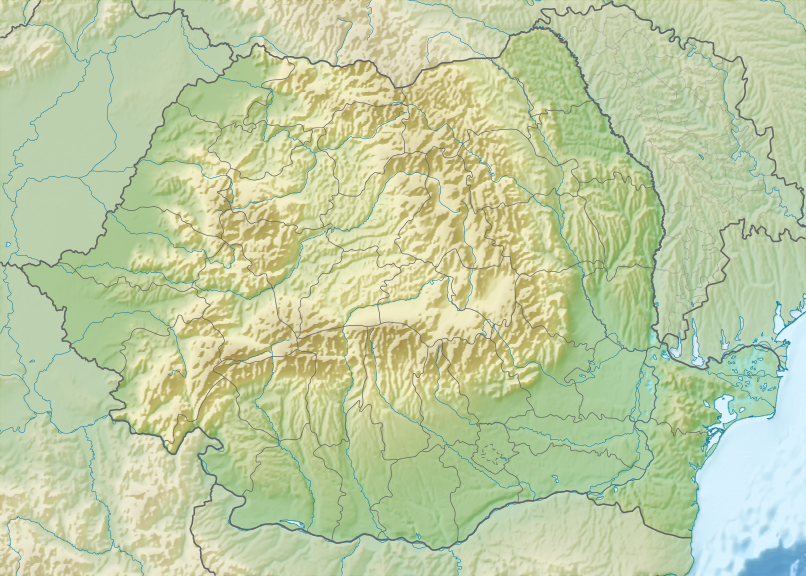
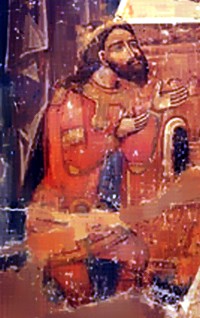
The Battle of Posada in the Chronicon Pictum — the ambush in the mountain gorge (c. 1358) — Unknown author, Chronicon Pictum, 14th century. Public domain.Battle of Posada in the Chronica Hungarorum — woodcut from Thuróczy's chronicle (c. 1488) — János Thuróczy, Chronica Hungarorum (1488). Public domain.King Charles Robert fleeing from the Battle of Posada — romantic painting by József Molnár (c. 1855) — József Molnár (1821–1899). Public domain.Relief map of Romania. (c. 2012) — Nzeemin. CC BY-SA 3.0.Battle of Posada (Chronica Hungarorum) — related to Battle of Posada (1330) (c. 1488) — János Thuróczy. Public domain.The Battle of Posada (November 9-12, 1330) in the Chronicon Pictum. The Basarab I of Wallachia's army ambushed Charles Robert of Anjou, king of Hungary and his 30,000-strong invading army. The Vlach ( (c. 1358) — Unknown authorUnknown author. Public domain.The Carpatho-Danubian-Pontic Space in 1330 AD, after the Battle of Posada. (c. 2023) — NeimWiki. CC BY-SA 4.0.The Battle of Posada (November 9-12, 1330) in the Chronica Hungarorum. The Basarab I of Wallachia's army ambushed Charles Robert of Anjou, king of Hungary and his 30,000-strong invading army. The Vlac (c. 1488) — Johannes de Thurocz. Public domain.Coats of arms of Charles I of Hungary (c. 2010) — Madboy74. Public domain.Coa Romania Country Wallachia History 2 (14th century) — related to Battle of Posada (1330) (c. 2010) — Unknown. Public domain.Basarab I — related to Battle of Posada (1330) — Unknown. Public domain.Károly Róbert magyar király és Bazarád (Basrab) havasalföldi vajda követe, a Képes krónika miniatúrája a krónika 143. lapján. Bazarád tisztességes követeket küldött a királyhoz, és ezt üzente: "Fára (c. 1358) — Kálti Márk. Public domain.The Battle of Posada (November 9-12, 1330) in the Chronica Hungarorum. The Basarab I of Wallachia's army ambushed Charles Robert of Anjou, king of Hungary and his 30,000-strong invading army. The Vlac (c. 1488) — Johannes de Thurocz. Public domain.Coats of arms of Charles I of Hungary (c. 2010) — Madboy74. Public domain.Coa Romania Country Wallachia History 2 (14th century) — related to Battle of Posada (1330) (c. 2010) — Unknown. Public domain.Basarab I — related to Battle of Posada (1330) — Unknown. Public domain.Károly Róbert magyar király és Bazarád (Basrab) havasalföldi vajda követe, a Képes krónika miniatúrája a krónika 143. lapján. Bazarád tisztességes követeket küldött a királyhoz, és ezt üzente: "Fára (c. 1358) — Kálti Márk. Public domain.
Significance & Legacy
The founding battle of the Wallachian state. Established Wallachia's de facto independence from Hungary. First major recorded Romanian military victory.
Frequently Asked Questions
When was the Battle of Posada?
The Battle of Posada took place in 1330. Nov 9–12, 1330.
Who won the Battle of Posada?
The Wallachia were victorious against the Kingdom of Hungary.
What was the significance of the Battle of Posada?
The founding battle of the Wallachian state. Established Wallachia's de facto independence from Hungary. First major recorded Romanian military victory.