Battle of Varna(1444)
Approximate site. The pin marks a locally accepted site or a nearby anchor point, not a survey-grade position.
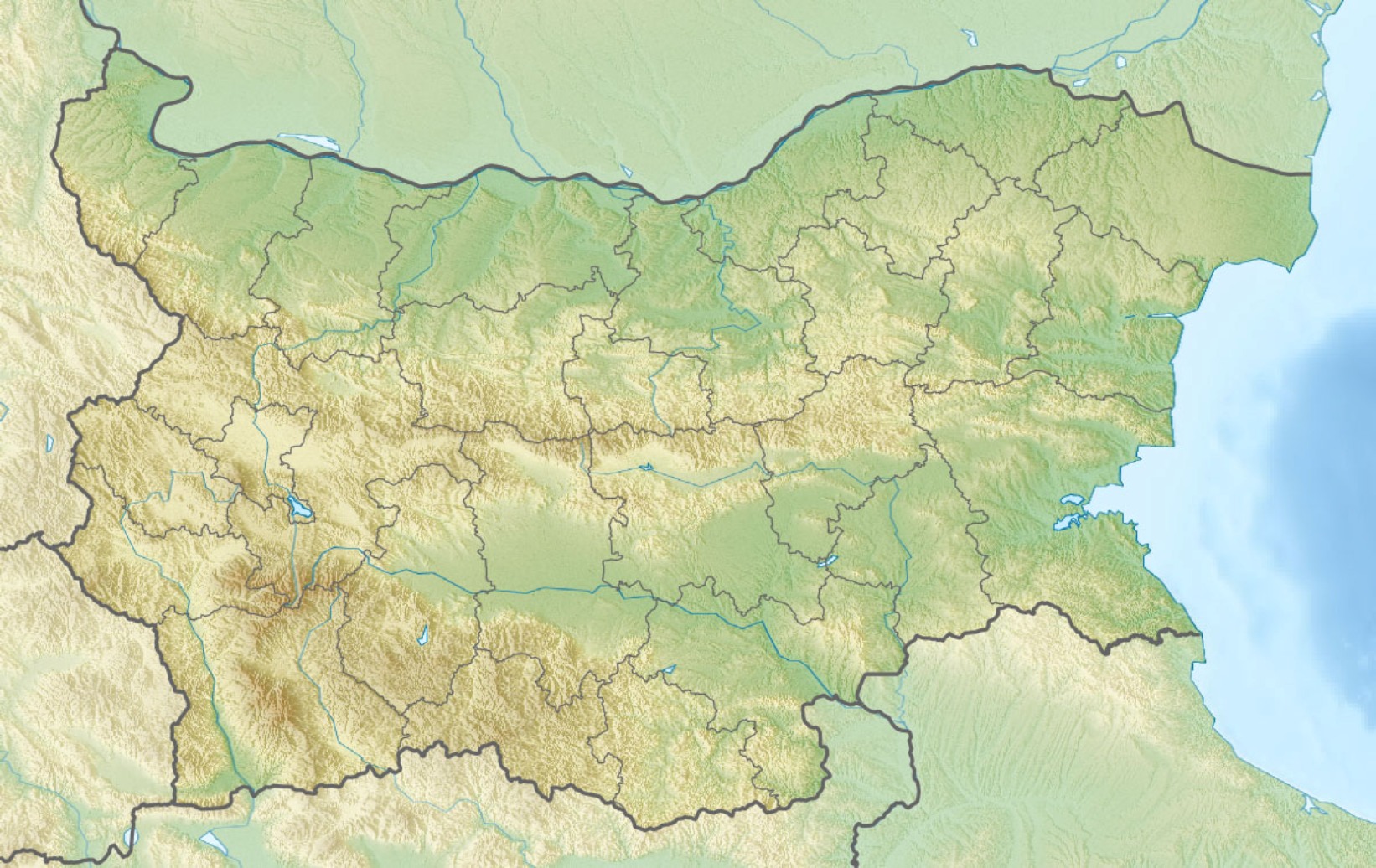
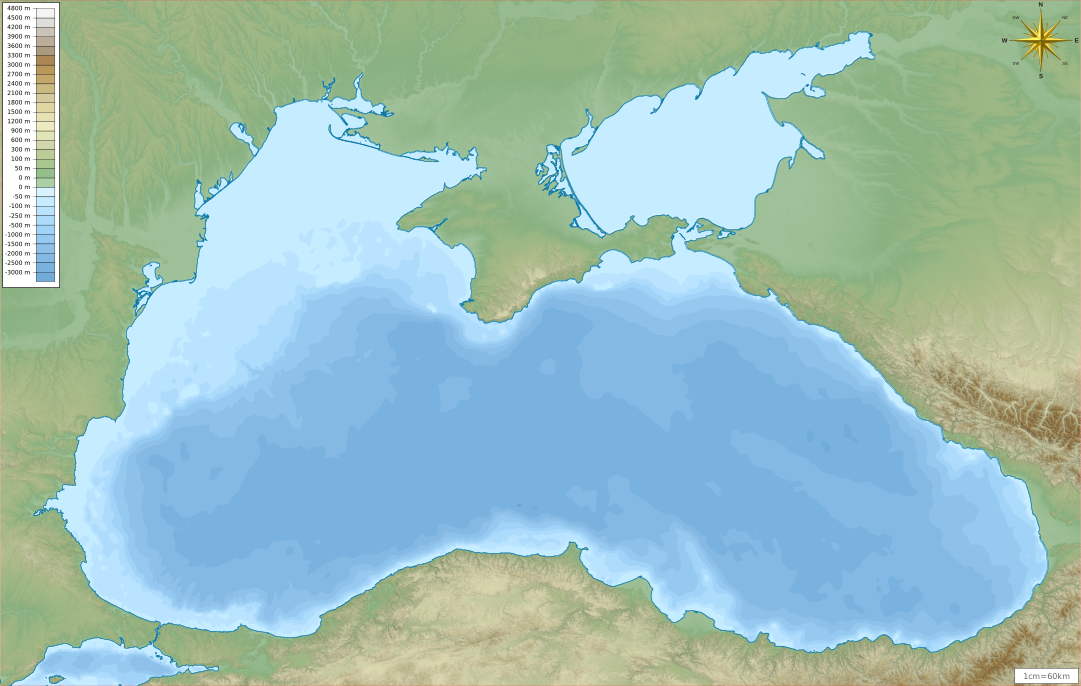
Plain north of Varna city, Bulgaria
Coordinate source: latitude.to + Wikipedia Battle of Varna
Background
The Hungarian Kingdom fell into crisis after the death of King Sigismund in 1437. His son-in-law and successor, King Albert, ruled for only two years and died in 1439, leaving his widow Elizabeth with an unborn child, Ladislaus the Posthumous. The Hungarian noblemen then called the young King Władysław III of Poland to the throne of Hungary, expecting his aid in defense against the Ottomans. After his Hungarian coronation, he never went back to his homeland again, assuming rule of the Hungarian Kingdom next to the influential nobleman John Hunyadi. After failed expeditions in 1440–1442 against Belgrade and Transylvania and the defeats of the Turks during Hunyadi's "long campaign" in 1442–1443, the Ottoman sultan Murad II signed a ten-year truce with Hungary. After he had made peace with the Karaman Emirate in Anatolia in August 1444, he resigned the throne to his twelve-year-old son Mehmed II. Cesarini insisted that the Hungarian King Władysław III should break the treaty, arguing that it was not valid due to the fact that it had been made with infidels. Hungary co-operated with Venice and Pope Eugene IV to organize a new crusader army led by Hunyadi and Władysław III.
Campaign: Varna Crusade 1444
Forces Engaged
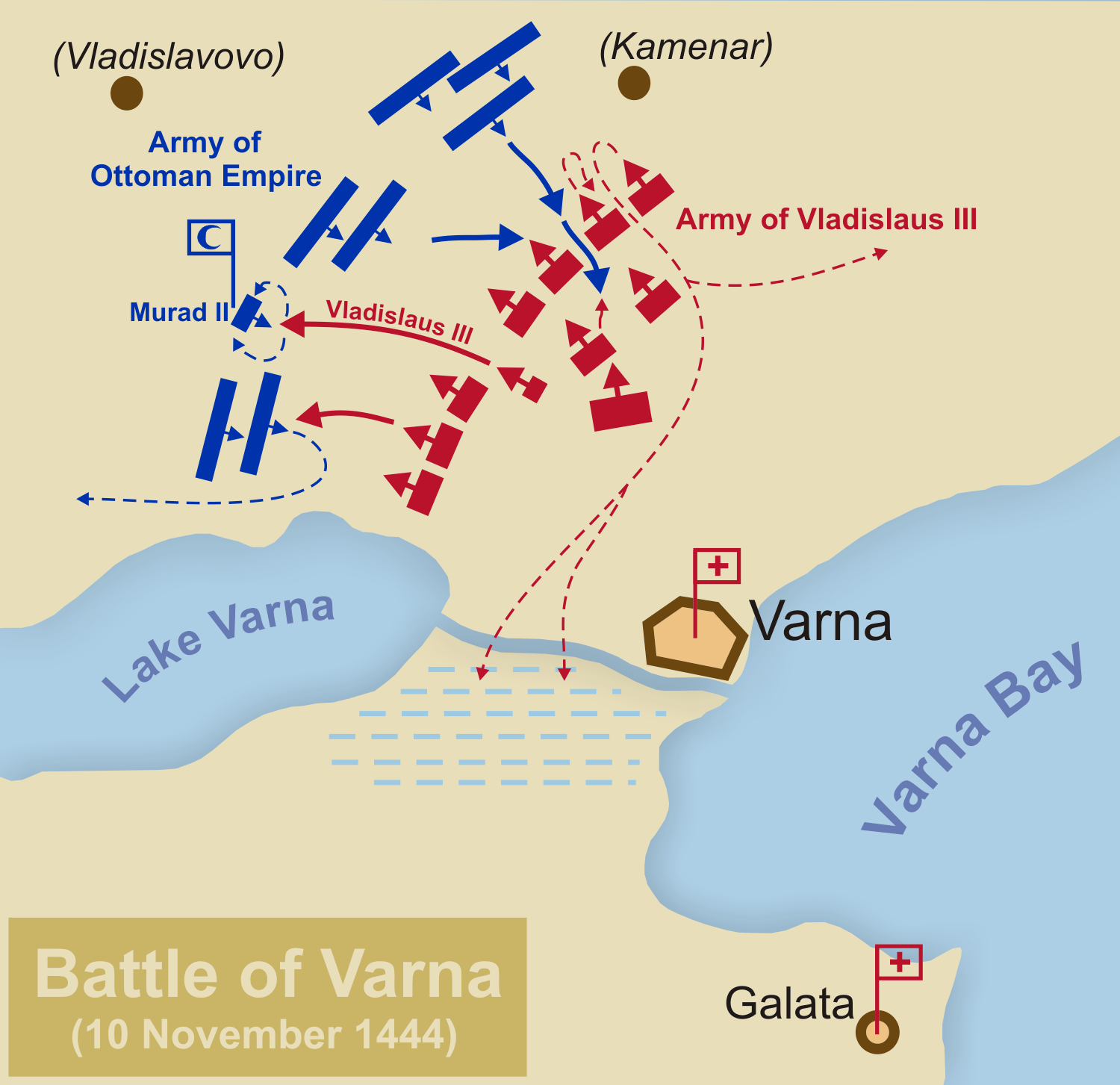
The Battle

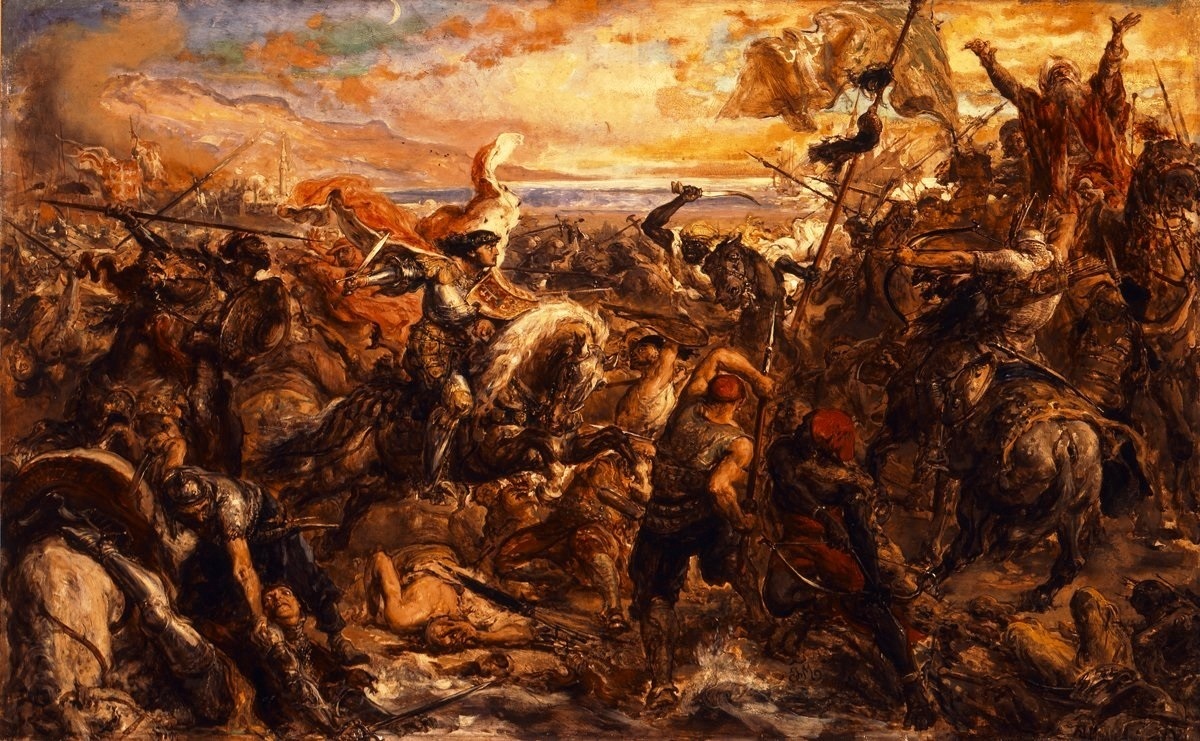
King Vladislav I broke the truce with the Ottomans and marched on Varna. The crusade was shattered when Vladislav charged the Ottoman center and was killed. Hunyadi's cavalry initially broke through but was surrounded. Wallachian contingent under Mircea II fought on the right wing. Catastrophic Christian defeat.
The Battle of Varna took place on 10 November 1444 near Varna in what is today eastern Bulgaria. The Ottoman army under Sultan Murad II defeated the Crusaders commanded by King Władysław III of Poland and Hungary, John Hunyadi and Mircea II of Wallachia. It was the final battle of the unsuccessful Crusade of Varna, a last-ditch effort to prevent further Ottoman expansion into the Balkans.
“Michael Beheim, a 15th-century minnesinger, documented the battle through the account of Hans Mergest, a German survivor who spent 16 years in Ottoman captivity after the defeat.
Casualties & Outcome
Crusader losses: ~5,000 killed including King Vladislav III and Papal Legate Julian Cesarini | Ottoman losses: ~10,000 killed
Ottoman Empire achieved victory over Crusade (Hungary/Poland/Wallachia/Allied).
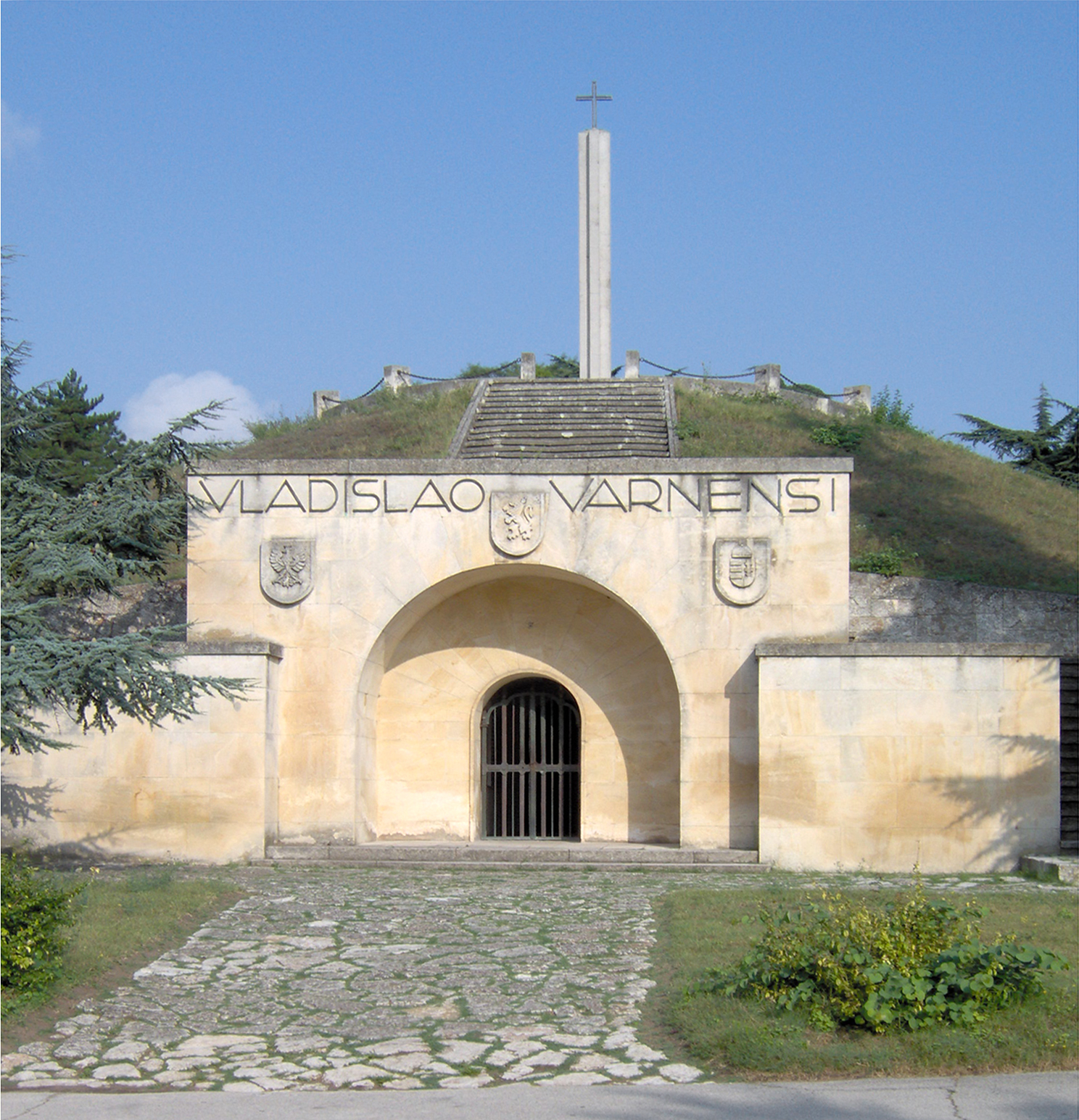
The Park-museum Władysław Warneńczyk|Memorial of the Battle in Varna, built on an ancient Thracian mound tomb, bearing the name of the fallen king. Hunyadi reached the Danube but was captured by Vlad Dracul in Wallachia and imprisoned as insurance in case of Ottoman retaliation or for a high ransom. He was released in exchange for a large amount of money when Hungarian nobles loyal to Hunyadi began to threaten Vlad Dracul with a campaign against him. Another version of the story is that he was mistakenly captured by Wallachian border guards, who didn't recognize him, and released by Vlad Dracul once they met face to face. Murad's casualties at Varna were so heavy, it was not until three days later that he realized he was victorious.
Historical Record





![Archival image of the Battle of Varna (1444): A red pennant flag. Variously attributed to the "Ottlman Sultanate" ad to the "Aydinids Dynasty"[1]](https://upload.wikimedia.org/wikipedia/commons/2/2c/Fictitious_Ottoman_flag_1.svg)

Significance & Legacy
Ended the last major crusade into the Balkans. Sealed Ottoman dominance over southeastern Europe for centuries. Vladislav killed; Hunyadi captured briefly then escaped.
Memorial park in Varna (Vladislav Varnenchik Park) built on a Thracian burial mound. Warsaw Tomb of the Unknown Soldier bears the inscription "WARNA 10 XI 1444". Władysław III became known as "Warneńczyk" (of Varna).
Frequently Asked Questions
- When was the Battle of Varna?
- The Battle of Varna took place in 1444. Nov 10, 1444.
- What was the outcome of the Battle of Varna?
- The Ottoman Empire were victorious against the Crusade (Hungary/Poland/Wallachia/Allied).
- What was the significance of the Battle of Varna?
- Ended the last major crusade into the Balkans. Sealed Ottoman dominance over southeastern Europe for centuries. Vladislav killed; Hunyadi captured briefly then escaped.