Battle of Șelimbăr(1599)
Approximate site. The pin marks a locally accepted site or a nearby anchor point, not a survey-grade position.
Plains east of Sibiu near Șelimbăr village
Coordinate source: latitude.to GPS Șelimbăr 45.7667, 24.2000
Background
Michael the Brave marched into Transylvania to fight against the Ottomans. The neighboring rulers Andrew Báthory in Transylvania and Ieremia Movilă in Moldova were friendly towards Poland. In 1598, Michael signed a treaty of peace with the Ottomans, however both sides knew that the issue was far from settled. When Transylvania fell under the influence of Poland, which preserved friendly relations with the Ottomans, a hostile ring closed around Wallachia. Only the Habsburgs were prepared to ally themselves with Michael. The treaty, signed in Prague on 9 June 1598, made Wallachia a vassal state; in exchange, the emperor undertook to cover the cost of providing 5.000 mercenaries to the principality. The voivode wanted to secure a land link to his ally. With Emperor Rudolph's assent, he launched an attack on Transylvania. He informed the Székelys that he was attacking Transylvania on behalf of the Emperor Rudolf and, if they join him, their traditional freedoms will be restored. At this the Székelys joined the forces of Michael en masse so that Székelys comprised one third of his army of 36,000 soldiers. Michael entered Transylvania through Buzău Pass.
Campaign: Michael the Brave's Unification Campaign 1599
Forces Engaged

The Battle
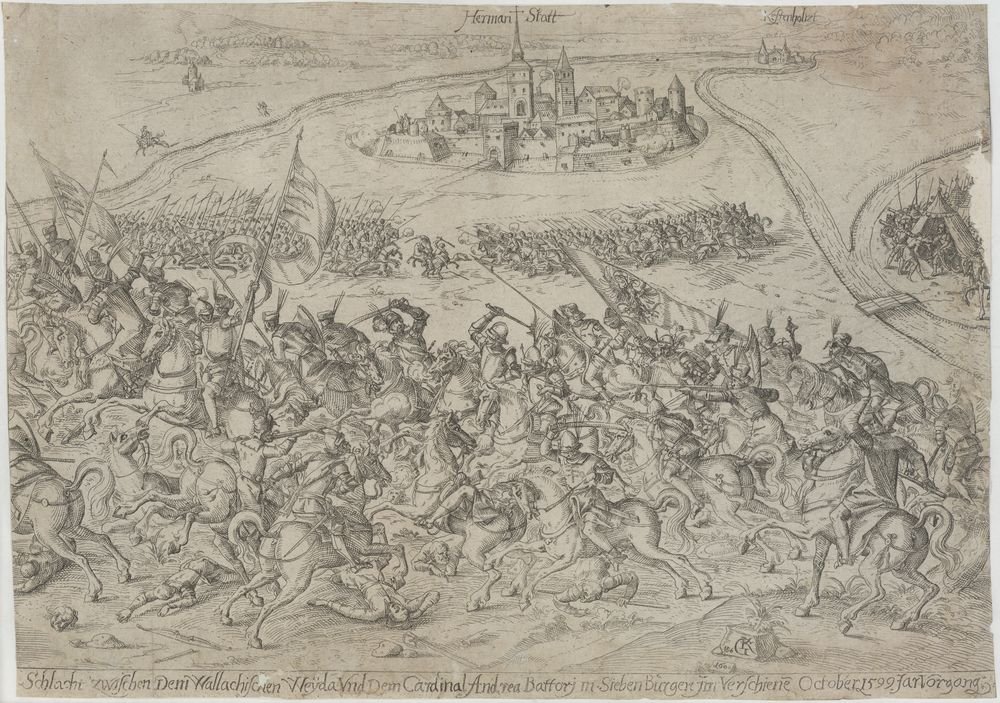
Mass defections by the Székelys — who despised the Báthory family and were promised restored privileges by Michael — crippled the Transylvanian defense. Cardinal Báthory fled and was subsequently assassinated by secui warriors after the battle.
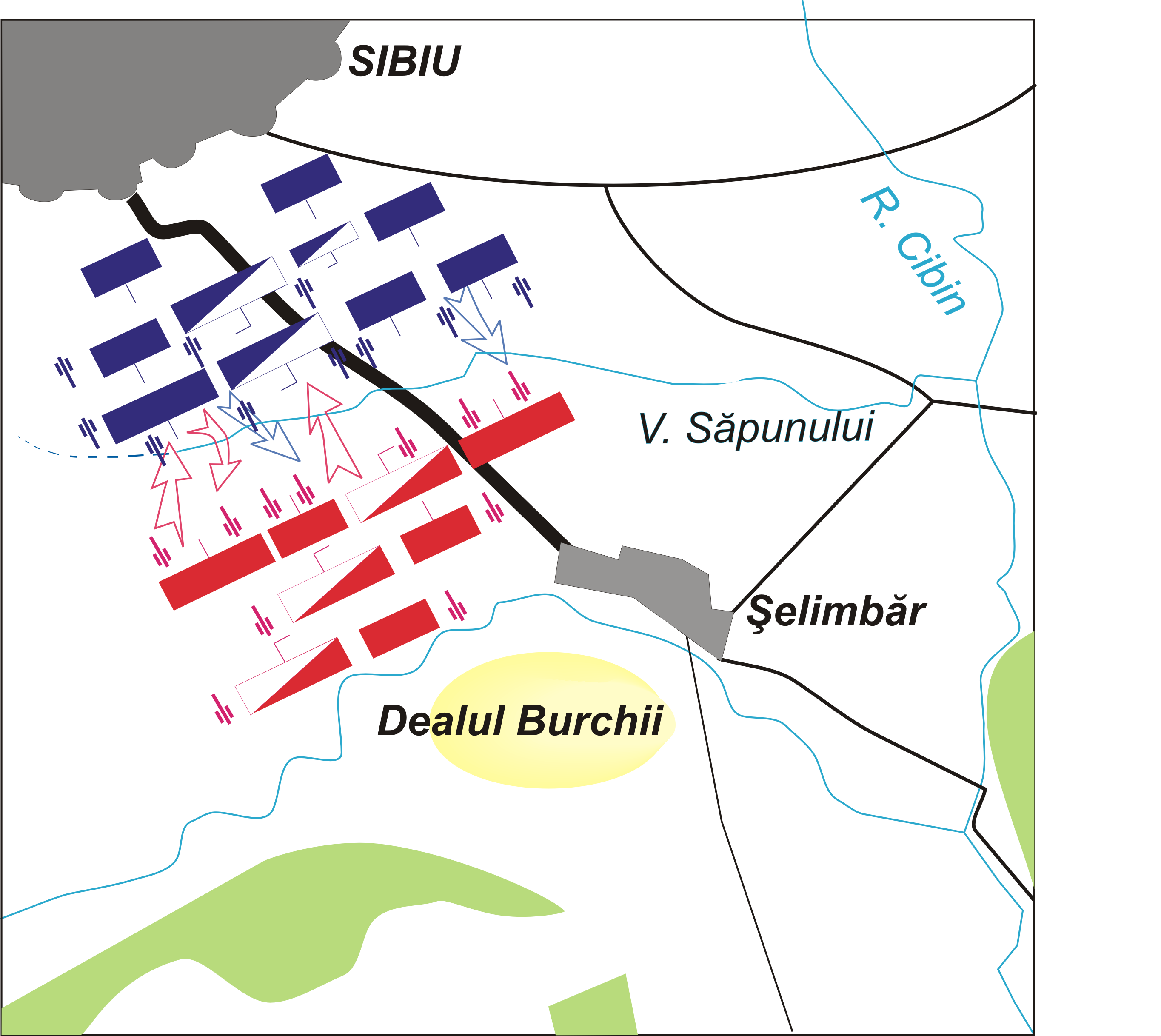
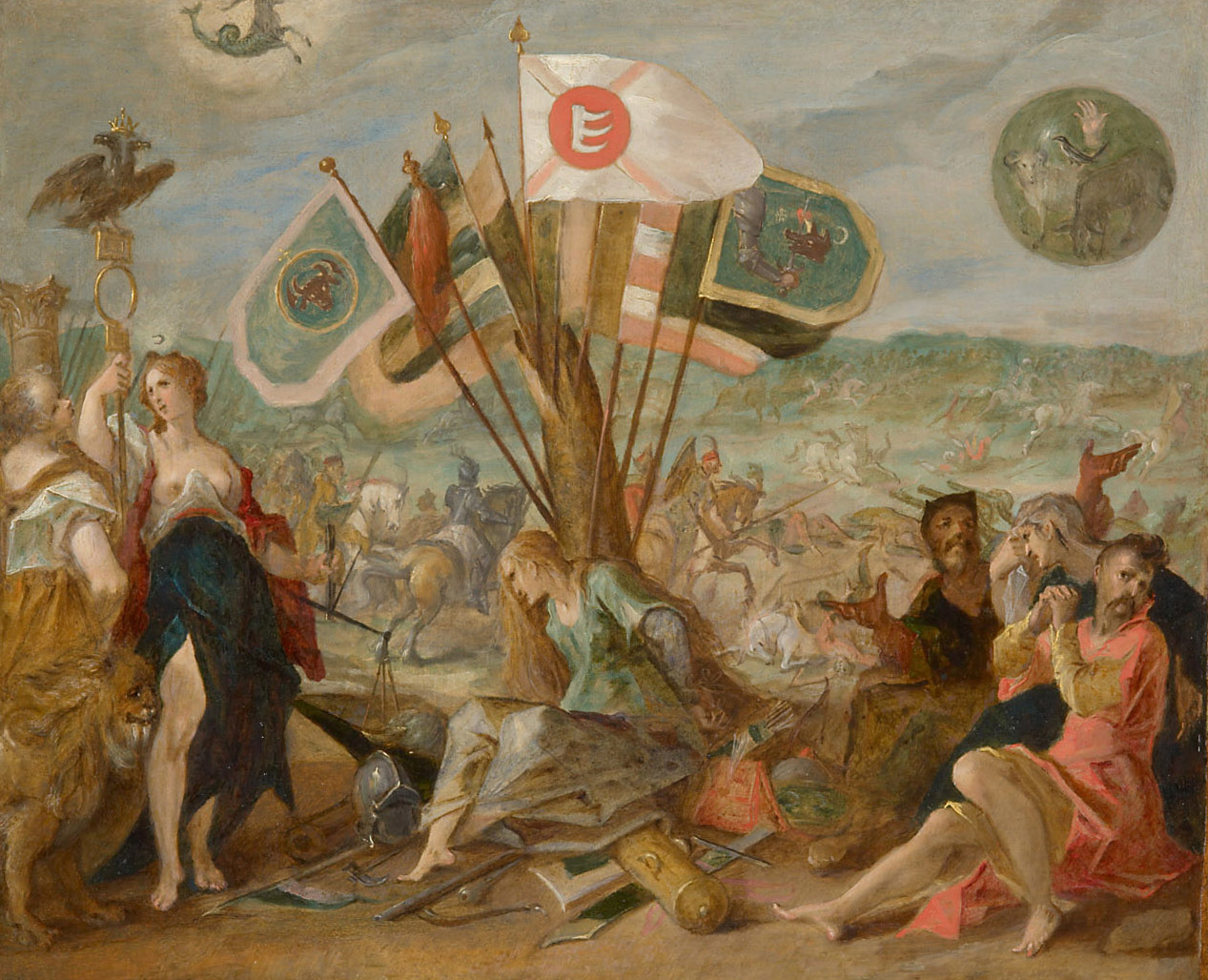
At Șelimbăr on 18 October 1599, Michael the Brave defeated Andrew Báthory after the Transylvanian camp lost cohesion and many Székelys went over to his side. The victory opened the road to Alba Iulia and gave Michael control of Transylvania.
Casualties & Outcome
200–1,000 | 1,200–1,500
Wallachia (Michael the Brave) achieved victory over Principality of Transylvania.
Michael’s victory opened the road to Alba Iulia and let him take control of Transylvania in Rudolf II’s camp. Andrew Báthory fled and was killed during his retreat by Székelys hostile to his rule.
Historical Record







Significance & Legacy
Michael triumphantly entered Alba Iulia and became de facto ruler of Transylvania, taking his first major step toward uniting all three Romanian principalities under a single ruler for the first time in history.
Frequently Asked Questions
- When was the Battle of Șelimbăr?
- The Battle of Șelimbăr took place in 1599. Oct 18, 1599.
- What was the outcome of the Battle of Șelimbăr?
- The Wallachia (Michael the Brave) were victorious against the Principality of Transylvania.
- What was the significance of the Battle of Șelimbăr?
- Michael triumphantly entered Alba Iulia and became de facto ruler of Transylvania, taking his first major step toward uniting all three Romanian principalities under a single ruler for the first time in history.