Battles of Târgu Frumos(1944)
Approximate site. The pin marks a locally accepted site or a nearby anchor point, not a survey-grade position.
Târgu Frumos town, Iași County
Coordinate source: Wikidata 47°13'52"N, 27°0'2"E
Background
The battles were part of the First Jassy-Kishinev Offensive, a major Soviet operation aimed at breaking into Romania in the spring of 1944. German and Romanian forces established defensive positions to halt the Red Army's advance into the Balkans.
Campaign: Jassy-Kishinev Offensive 1944
Forces Engaged
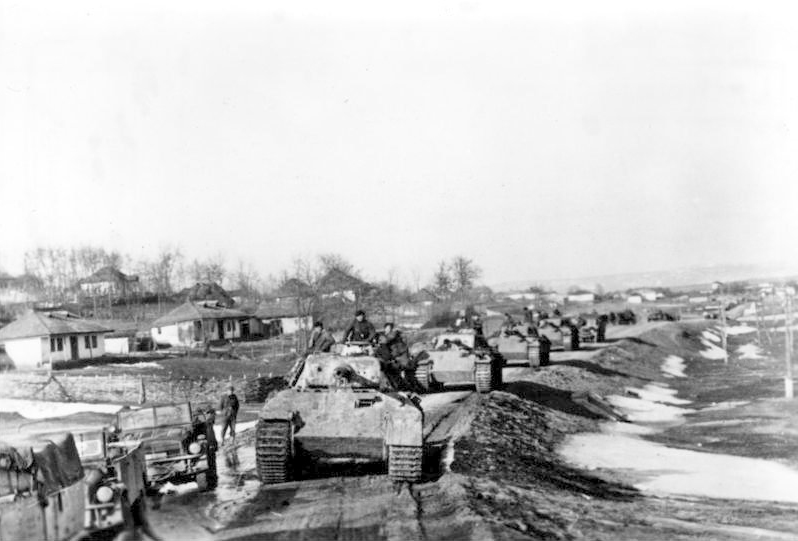
The Battle
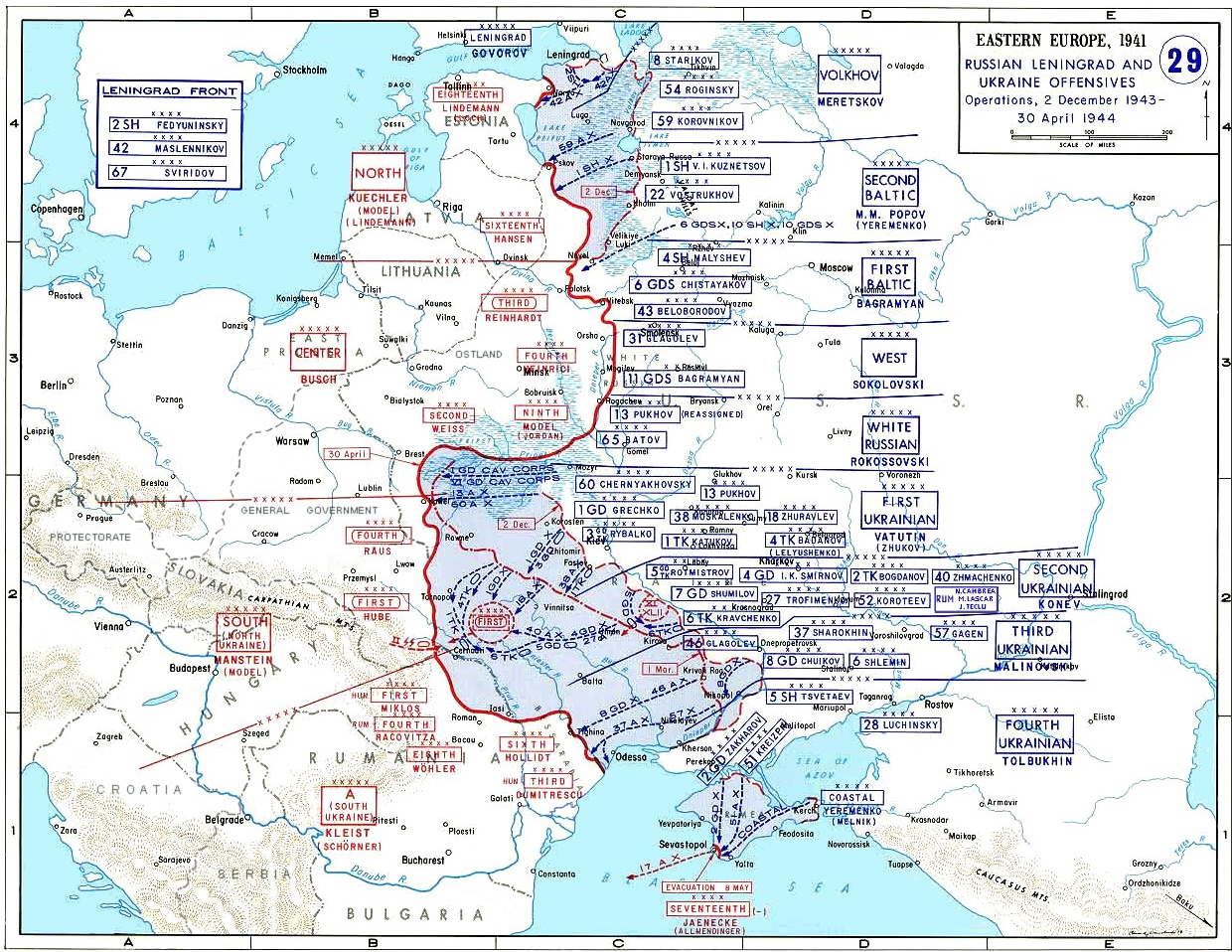
Romanian 4th Army and German units used elastic defense to blunt Soviet armored thrusts around Iași and Târgu Frumos.
The First Battle of Târgu Frumos was fought during World War II between Axis powers commanded by Otto Wöhler and Soviet forces led by Ivan Konev. Historian David Glantz has described it as part of a failed Soviet invasion of Romania, while Russian and German sources have described it as part of the Târgu Frumos Operation.
“"The Romanian infantry and anti-tank gunners stood their ground with a new-found resolve — they were fighting for their own soil." — Hasso von Manteuffel, Grossdeutschland commander
Casualties & Outcome
~45,000 total Axis (Romanian and German); ~150,000 casualties and over 500 tanks destroyed (Soviet)
Romania / Germany achieved victory over Soviet Union.
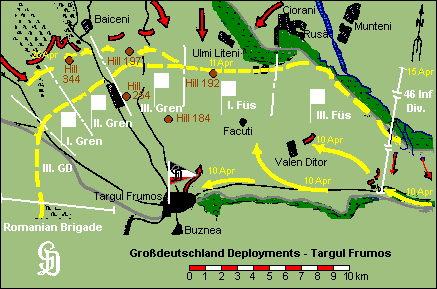
After the end of the battle, the Großdeutschland Division erected a new defensive line to protect Târgu Frumos, which extended in a wide arc from northwest, northeast, and east of the town. Manteuffel ultimately placed the Großdeutschland Panzergrenadier Regiment on the divisional left wing northwest of the town and the Fusilier Regiment on its right wing northeast and east of the town, but he retained his Panzer Regiment in reserve assembly areas close to Târgu Frumos proper. Throughout 12 April, units from the Panzer Grenadier Regiment cleared Soviet remnants from the 206th Rifle and 3rd Guards Airborne Divisions from a small pocket west of the town and extended the regiment\'s defensive line to cover the exposed western flank
Historical Record
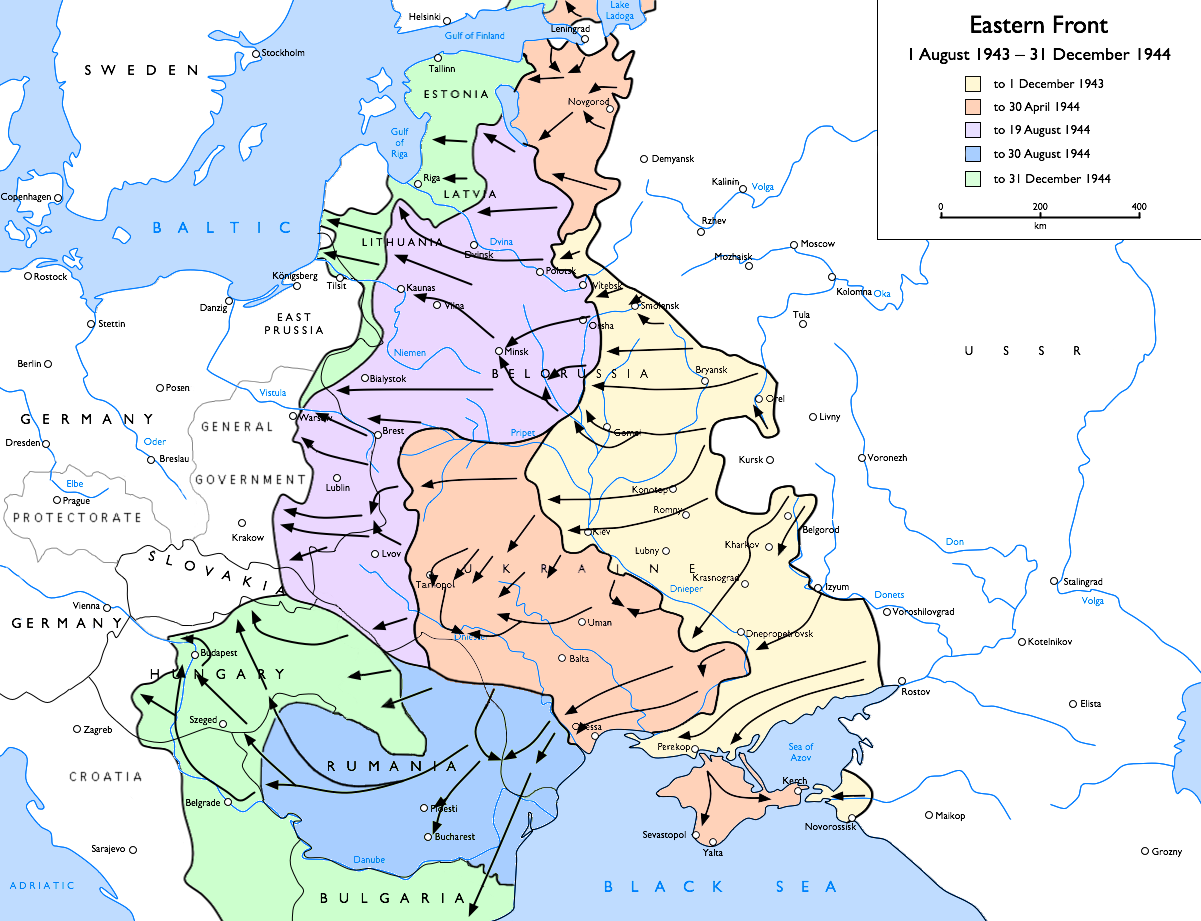



Significance & Legacy
Last major Axis defensive success in Romania. Gave false confidence before the August disaster.
Frequently Asked Questions
- When was the Battles of Târgu Frumos?
- The Battles of Târgu Frumos took place in 1944. Apr 8–Jun 6, 1944.
- What was the outcome of the Battles of Târgu Frumos?
- The Romania / Germany were victorious against the Soviet Union.
- What was the significance of the Battles of Târgu Frumos?
- Last major Axis defensive success in Romania. Gave false confidence before the August disaster.