Battle of Rymnik (Râmnic)(1789)
Approximate site. The pin marks a locally accepted site or a nearby anchor point, not a survey-grade position.
Zona râului Râmnicu Sărat — surse multiple cu coordonate ușor diferite
Coordinate source: Wikidata Battle of Rymnik 45°23'30"N 27°3'40"E
Background
Suvorov and Coburg jointly commanded the allied forces, with Suvorov as the architect of the battle plan. The victory at Râmnic came two months after Focșani and completed the destruction of Ottoman forces in Wallachia.
Campaign: Russo-Austro-Turkish War 1787–1792
Forces Engaged
The Battle

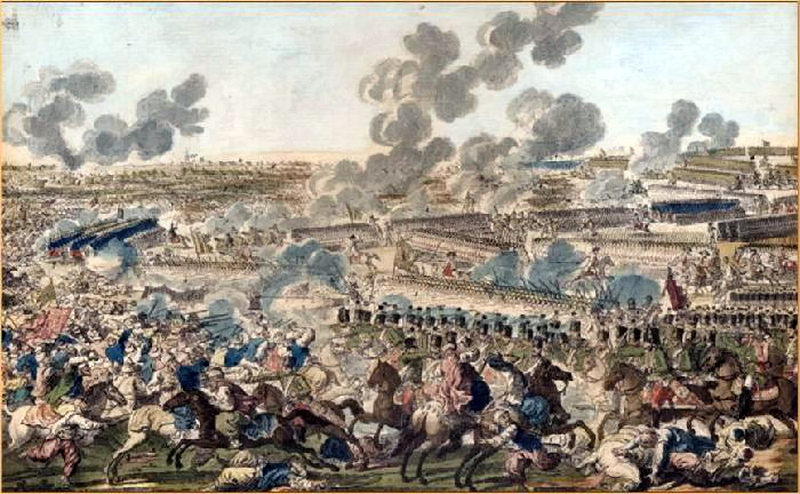
Suvorov with 7,000 Russians united with Coburg's 18,000 Austrians to attack a grand Ottoman army of 100,000 near the Râmna and Rymnik rivers. Through a coordinated multi-column assault on a 12 km front, the allies achieved a total victory. Suvorov personally led repeated attacks.
The Battle of Rymnik or Rimnik, also Battle of Mărtinești, on September 22 [O.S. September 11] 1789, took place in Wallachia, at the Râmnicul Sărat River, known as the Rymnik, near Râmnicu Sărat or Rymnik during the Russo-Turkish War of 1787–1792 and the Austro-Turkish War of 1788–1791. The Russian general Alexander Suvorov, acting together with the Habsburg general Prince Josias of Coburg, attacked the main Ottoman army under Grand Vizier Cenaze Hasan Pasha, which was much larger.
“That evening, as the sun set, infantry marched out in columns, led by cavalry. "The night was pleasant, the sky speckled with stars." They moved silently. Musketeers, carabiniers, jaegers, Cossacks, grenadiers, and irregular Arnauts all pushed forward. "Each man fought his opponent to the death." Despite a long and tiring march, the Russian forces maintained their formation and stood strong against the Turkish cavalry. Taking into account Josias's numbers and the Austrian underperformance in the war, specifically after the so-called "Battle of Karánsebes", the Battle of Slatina, and the Battle of Mehadia, the Pasha was convinced that he could defeat this force easily; much of the reason for the Austrian setbacks was their tactic of a thin stretched front.
Casualties & Outcome
Approximately 500 allied casualties; between 10,000–15,000 Ottoman casualties (dead, wounded, captured)
Russia / Habsburg Austria achieved victory over Ottoman Empire.
The total Ottoman defeat opened Wallachia to the allies; the Austrians occupied Bucharest in November; the Treaty of Sistova (1791) returned Wallachia to the Ottoman Empire but confirmed Russian military supremacy.
Historical Record




Significance & Legacy
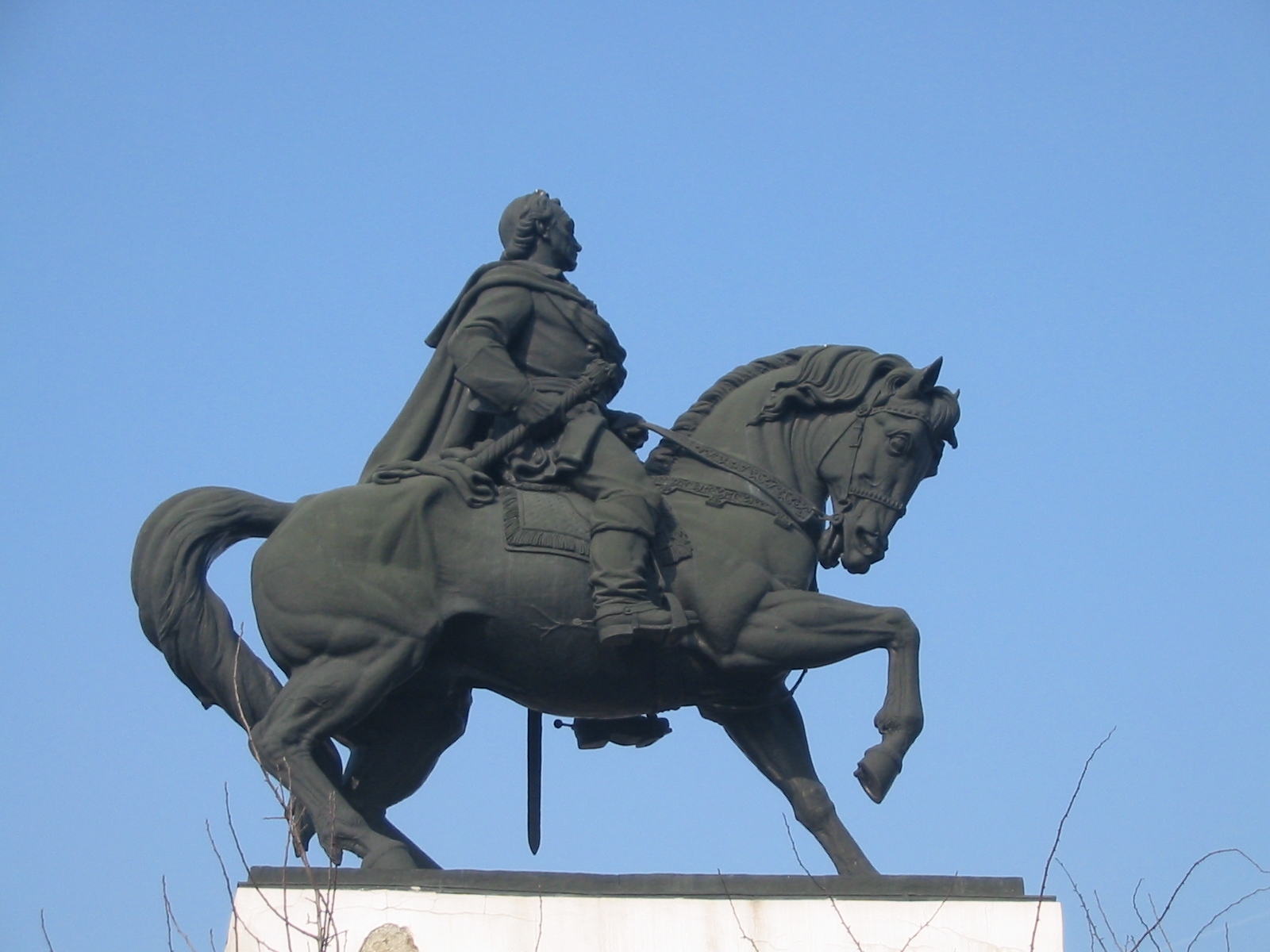
One of the most decisive battles of the eighteenth century; it propelled Suvorov to the rank of Count Rymniksky; it effectively ended Ottoman resistance in Wallachia; it opened the way for the siege of Ismail (1790); Catherine II awarded Suvorov the Order of St. George First Class.
These two crushing victories of Focșani and the Rymnik firmly established Suvorov as the most brilliant general of the then Russian Army; and to Coburg's honour can be attributed his resourcefulness, coolness and personal bravery, but according to his own mind, the Austrians had forgotten how to fight the Turks. The battle is regarded as one of the most noteworthy feats of military history and one of Suvorov's greatest achievements.
Frequently Asked Questions
- When was the Battle of Rymnik (Râmnic)?
- The Battle of Rymnik (Râmnic) took place in 1789. 11 Sep 1789 (O.S.) / 22 Sep 1789 (N.S.).
- What was the outcome of the Battle of Rymnik (Râmnic)?
- The Russia / Habsburg Austria were victorious against the Ottoman Empire.
- What was the significance of the Battle of Rymnik (Râmnic)?
- One of the most decisive battles of the eighteenth century; it propelled Suvorov to the rank of Count Rymniksky; it effectively ended Ottoman resistance in Wallachia; it opened the way for the siege of Ismail (1790); Catherine II awarded Suvorov the Order of St. George First Class.