HomeAll BattlesHistorical Periods
  1. Home
  2. ›
  3. World War II
  4. ›
  5. Battle of Bucharest

Battle of Bucharest(1944)

Explore on Interactive Map
Aug 24–28, 1944·Romania victory·urban·urban

Background

On 27 November 1916, three main events took place which enabled the Central Powers to commence the offensive towards Bucharest: following a successful holding action at Slatina, the Romanians abandoned the line of the Olt River, the German 9th Army and Mackensen's Danube Army had linked up, and the Danube had been secured by the Bulgarian capture of Giurgiu. On 28 November, the German 217th Division was halted at Prunaru, despite the Romanians incurring casualties amounting to 700 prisoners and 20 guns. Although the 217th moved some battalions to Naipu, these were checked by Prezan's maneuver group within two days. The left flank of the Danube Army had thus been exposed. On 29 November, the towns of Pitești and Câmpulung fell to the Germans, after the Romanian 1st Army made a brief stand at Pitești.

Campaign: Romanian Advance West 1944-45

Forces Engaged

Soviet soldiers in Bucharest following the August 23 coup and liberation, 30 August 1944
Soviet soldiers in Bucharest following the August 23 coup and liberation, 30 August 1944 (c. 1944) — Unknown author. Public domain.
Victor
Romania
Commander: Iosif Teodorescu
Strength: 40,000
Defeated
Germany
Commander: Alfred Gerstenberg
Strength: 14,000

The Battle

German troops seized airfields and bombed Bucharest. Romanian forces held the capital and captured both German commanders.

The Battle of Bucharest in August 1944 was an urban military engagement following King Michael's Coup against the pro-Axis government. Romanian troops successfully cleared the capital of German forces and resisted Luftwaffe bombardments before the arrival of the Soviet Red Army.

Casualties & Outcome

1,783
Romania
casualties
7,000
Germany
casualties

~1,200 killed, ~583 wounded (Romanian); ~2,000 killed, ~5,000 captured (German)

Romania achieved victory over Germany.

After the battle, minor actions were fought in the fortifications surrounding Bucharest between the invading Germans and the Romanian reserves which had failed to arrive due to the actions of , a subordinate of Constantin Prezan and a naturalized German. The city was eventually occupied by the Central Powers on 6 December. However, in spite of the human, material, and military efforts made by the Central Powers throughout this period, they failed to achieve their fundamental political and strategic goal, namely Romania's defeat and her getting out of the war. Despite heavy casualties, some 250,000 men, which were almost one third of the manpower mobilized in August 1916, and losses of combat material, the Romanian Army was still a force taken into consideration by allies and enemies alike and capable of offering resistance to further attacks.

Historical Record

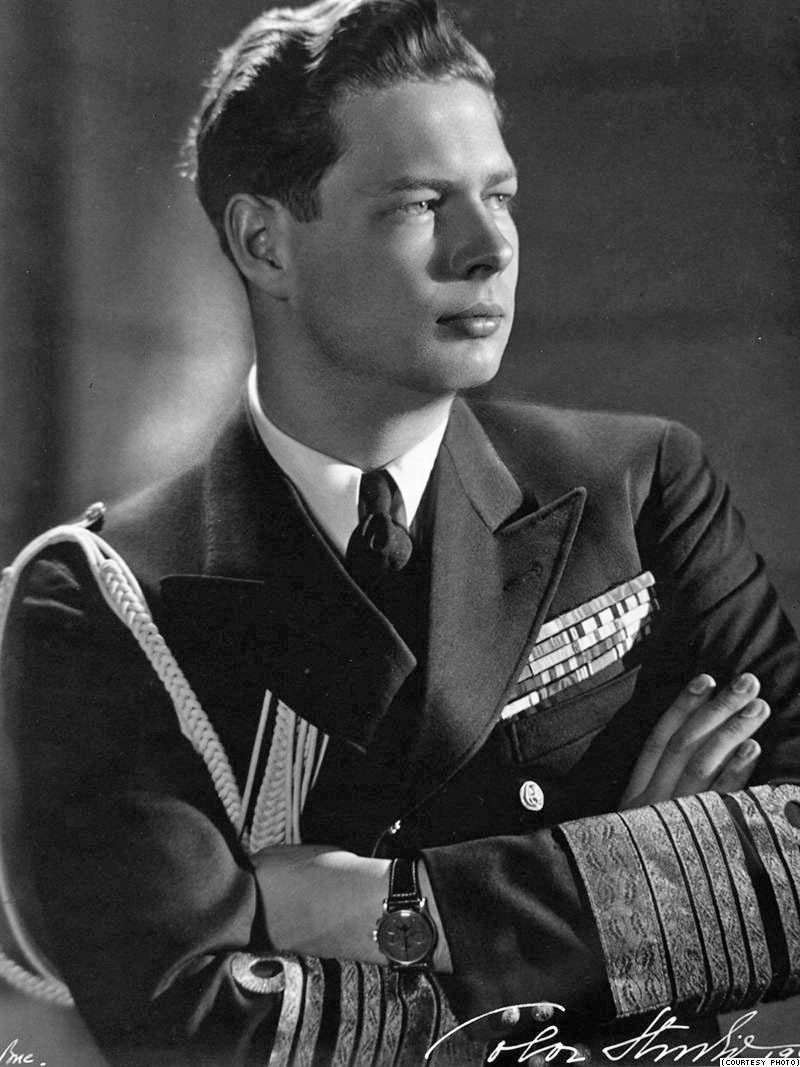
King Michael I of Romania, who led the August 23 coup that switched Romania to the Allied side
King Michael I of Romania, who led the August 23 coup that switched Romania to the Allied side (c. 1944) — Unknown author. Public domain.

Significance & Legacy

Romania's first battle against its former ally. Capital secured before Soviet arrival.

Frequently Asked Questions

When was the Battle of Bucharest?
The Battle of Bucharest took place in 1944. Aug 24–28, 1944.
Who won the Battle of Bucharest?
The Romania were victorious against the Germany.
What was the significance of the Battle of Bucharest?
Romania's first battle against its former ally. Capital secured before Soviet arrival.

Related Battles

Battle of Păuliș1944 · Romania / Soviet Union victoryBattle of Turda1944 · Romania & USSR victoryBattle of Carei1944 · Romania victoryOperation München — Recapture of Bessarabia1941 · Romania / Germany victorySiege of Odessa1941 · Romania victoryBattle of the Kerch Peninsula1942 · Romania / Germany victory
View all World War II battles →

Sources

  • Axworthy, M. — Third Axis, Fourth Ally
  • Deletant, D. — Hitler's Forgotten Ally
Wikipedia (English)← Back to Atlas