Siege of Sarmizegetusa Regia(106)
Exact site. The pin marks a documented battlefield location rather than a broad area.
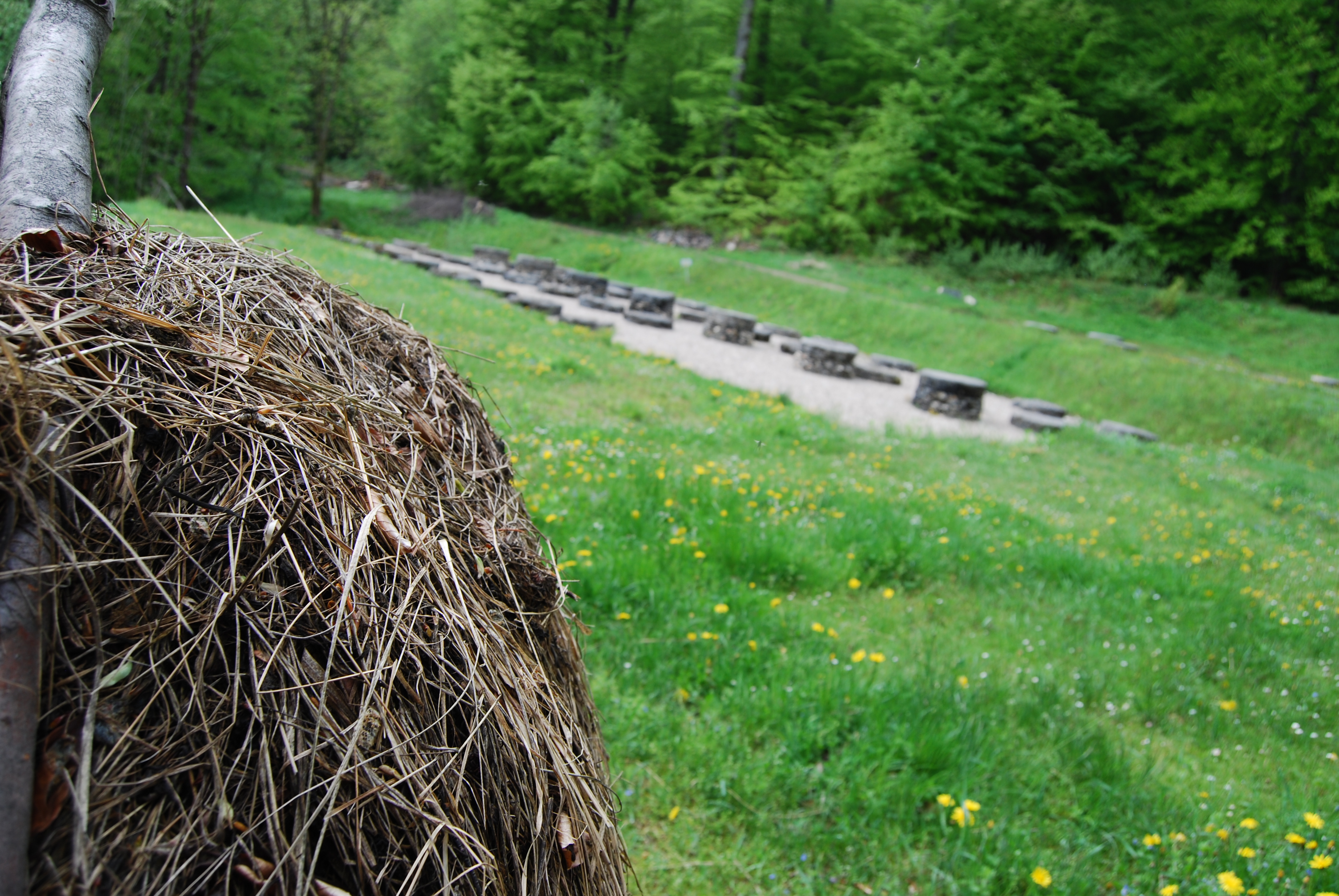
Sarmizegetusa Regia UNESCO archaeological site — final siege location
Coordinate source: latitude.to GPS + UNESCO Dacian Fortresses listing
Background
After Trajan's First Dacian War (101-2), Decebalus did not respect the peace conditions imposed by Trajan, and in retaliation the Emperor prepared to annihilate the Dacian kingdom and finally conquer Sarmizegetusa in Trajan's Second Dacian War. It is estimated that the Dacians most likely had fewer than 20,000 men capable of fighting the invasion.
Campaign: Second Dacian War (105–106 AD)
Forces Engaged

The Battle
The climactic siege of the Dacian capital high in the Orăștie Mountains. The Romans surrounded the citadel, repelled the initial Dacian counterattack, then built siege ramps and heavy artillery platforms. The decisive blow came when Roman engineers (aided by a local informant) located and cut the city's terracotta water pipes. Deprived of water in the summer heat, Dacian resistance collapsed. Many nobles took poison or set fire to the city before the Romans breached the walls. Decebal fled but was cornered and committed suicide. His confidant Bicilis then revealed a vast treasure hidden under the bed of the Sargetia river (est. 165,000 kg gold, 331,000 kg silver).
The Battle of Sarmizegetusa (also spelled Sarmizegethuza) was a siege of Sarmizegetusa, the capital of Dacia, fought in Trajan's Second Dacian War in 106 between the army of the Roman Emperor Trajan, and the Dacians led by King Decebalus.
“"Decebal, seeing that he was cornered and about to be captured, cut his own throat" — Cassius Dio, Historia Romana 68.14
Casualties & Outcome
Romans: ~2,000 dead; Dacians: ~20,000 dead (many by voluntary suicide or fire), thousands captured and sold as slaves
Roman Empire achieved victory over Dacia.
Dacia annexed as a Roman province (106 AD); Decebal dead; the Dacian treasure — 165,000 kg gold and 331,000 kg silver — confiscated and transported to Rome; intensive colonization of the province begins immediately.
Historical Record



Significance & Legacy
The defining confrontation of the Dacian Wars. The end of the Dacian kingdom. Dacia became a Roman province. The confiscated treasure financed Trajan's Forum and Column in Rome. Claudius Maximus, the Roman cavalryman who cornered Decebal, became one of the most celebrated soldiers of the era.
Frequently Asked Questions
- When was the Siege of Sarmizegetusa Regia?
- The Siege of Sarmizegetusa Regia took place in 106. Summer 106 AD.
- What was the outcome of the Siege of Sarmizegetusa Regia?
- The Roman Empire were victorious against the Dacia.
- What was the significance of the Siege of Sarmizegetusa Regia?
- The defining confrontation of the Dacian Wars. The end of the Dacian kingdom. Dacia became a Roman province. The confiscated treasure financed Trajan's Forum and Column in Rome. Claudius Maximus, the Roman cavalryman who cornered Decebal, became one of the most celebrated soldiers of the era.