Battle of Tapae (Second Dacian War)(105)
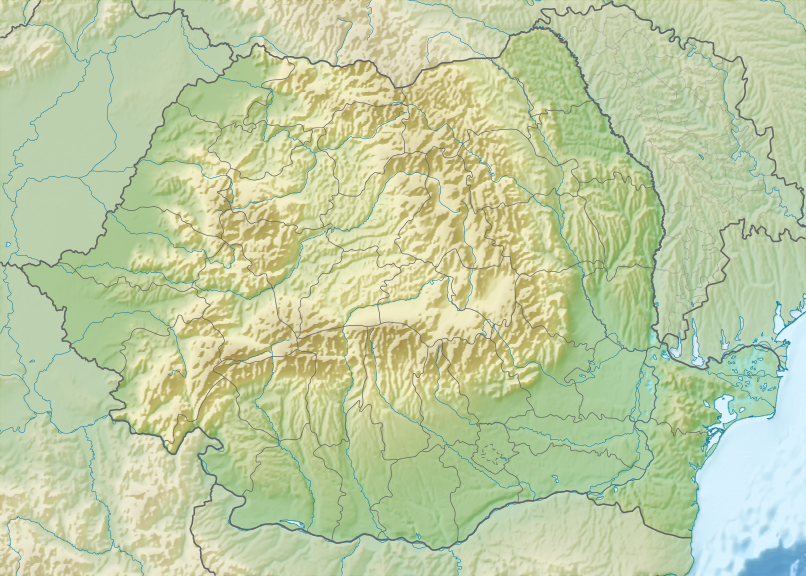
Approximate site. The pin marks a locally accepted site or a nearby anchor point, not a survey-grade position.
Same Tapae pass as 101 AD battle; pin offset for visual disambiguation
Coordinate source: latitude.to GPS coordinates of Tapae, Romania
Background
Decebal violated the 102 AD treaty: he rearmed his troops, rebuilt the fortresses, and attacked Roman allied tribes. Trajan came with the largest Roman army of the era, determined to permanently annex Dacia.
Campaign: Second Dacian War (105–106 AD)
Forces Engaged
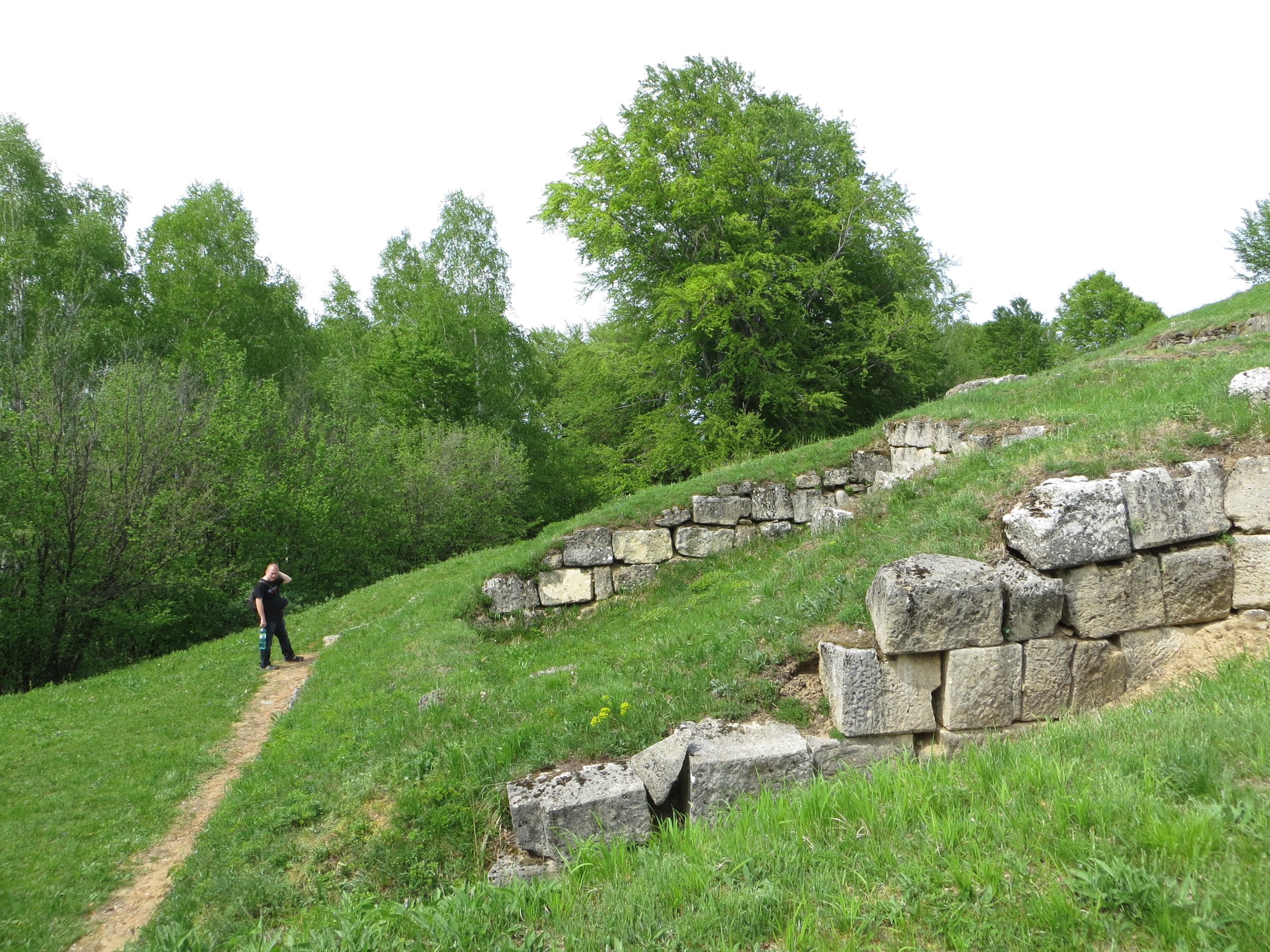
The Battle

Trajan returned with a far larger force (up to 14–16 legions) after Decebal violated the peace treaty. The Tapae pass was again contested, but Roman numerical superiority and engineering — including Apollodorus of Damascus's stone bridge at Drobeta — overwhelmed Dacian resistance. The Dacians retreated to their interior mountain fortresses.
The Second Battle of Tapae took place in 105 AD, marking the start of Trajan's final conquest of Dacia. Roman legions successfully breached the defensive pass once more, paving the way for the decisive siege of the Dacian capital, Sarmizegetusa Regia.
Casualties & Outcome
Unknown | Unknown |
Roman Empire achieved victory over Dacia.
Because the winter was near, Trajan decided to wait until spring to continue his offensive on Sarmizegetusa. Decebalus took advantage of the new situation, and in the winter of 101 to 102, he attacked the Roman province of Moesia, a major clash taking place at the Battle of Adamclisi.
Historical Record






Significance & Legacy
The opening engagement of the Second Dacian War, marking the beginning of Rome's final systematic campaign to annex Dacia. Unlike 101, Trajan would not stop until the fall of Sarmizegetusa.
Frequently Asked Questions
- When was the Battle of Tapae (Second Dacian War)?
- The Battle of Tapae (Second Dacian War) took place in 105. Spring–Summer 105 AD.
- What was the outcome of the Battle of Tapae (Second Dacian War)?
- The Roman Empire were victorious against the Dacia.
- What was the significance of the Battle of Tapae (Second Dacian War)?
- The opening engagement of the Second Dacian War, marking the beginning of Rome's final systematic campaign to annex Dacia. Unlike 101, Trajan would not stop until the fall of Sarmizegetusa.