HomeAll BattlesHistorical Periods
  1. Home
  2. ›
  3. Early Modern Era
  4. ›
  5. Battle of Cecora

Battle of Cecora(1620)

Explore on Interactive Map
Sep 17 – Oct 7, 1620·Ottoman Empire & Crimean Tatars victory·land·Prut River plains, Iași County

Background

The Polish-Lithuanian Commonwealth intervened in Moldavia to contest growing Ottoman influence, sending a relatively small force under Grand Crown Hetman Żółkiewski that was vastly outnumbered by the combined Ottoman-Tatar army.

Campaign: Polish-Ottoman War 1620–1621

Forces Engaged

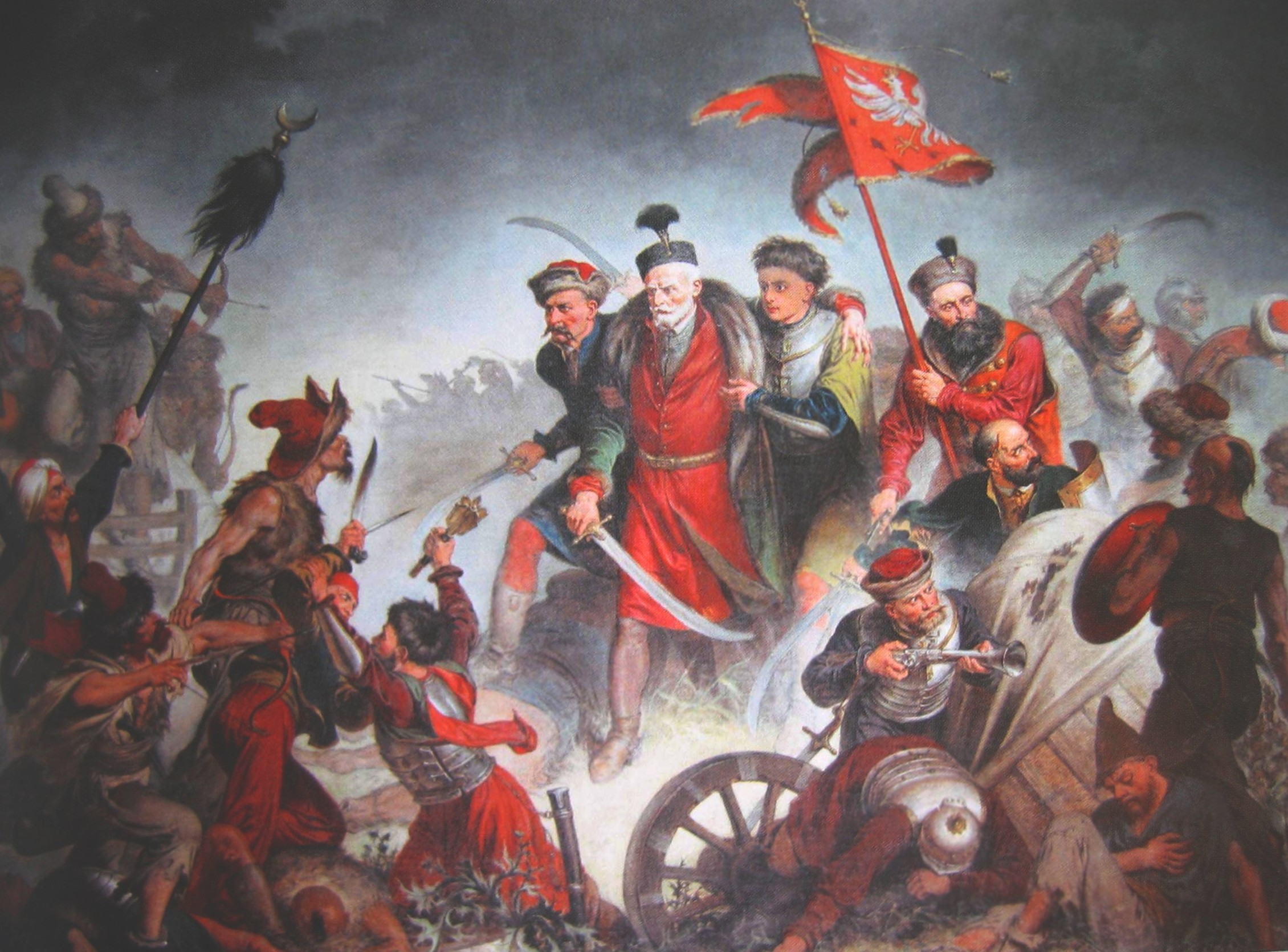
Death of Stanisław Żółkiewski with his confessor, father Szymon Wybierski, Battle of Cecora (1620) by Walery Eljasz Radzikowski (1841–1905).
Death of Stanisław Żółkiewski with his confessor, father Szymon Wybierski, Battle of Cecora (1620) by Walery Eljasz Radzikowski (1841–1905). (c. 1905) — Walery Eljasz Radzikowski. Public domain.
Defeated
Polish-Lithuanian Commonwealth & Moldavia
Commander: Hetman Stanisław Żółkiewski
Strength: 9,500
Victor
Ottoman Empire & Crimean Tatars
Commander: Iskender Pasha
Strength: 40,000

The Battle

Death of Hetman Żółkiewski at the Battle of Cecora (1620) — by Walery Eljasz-Radzikowski
Death of Hetman Żółkiewski at the Battle of Cecora (1620) — by Walery Eljasz-Radzikowski (c. 1900) — Walery Eljasz-Radzikowski (1841–1905). Public domain.

Moldavian auxiliaries defected to the Ottomans on the first day. After an 11-day standoff, the Polish retreat collapsed under Tatar pressure. Hetman Żółkiewski was killed; his head was sent to the Sultan in Constantinople.

The Battle of Cecora took place during the Polish–Ottoman War (1620–21) between the Polish–Lithuanian Commonwealth and Ottoman forces, fought from 17 September to 7 October 1620 in Moldavia, near the Prut River.

Casualties & Outcome

9,000
Polish-Lithuanian Commonwealth & Moldavia
casualties
1,500
Ottoman Empire & Crimean Tatars
casualties

2,000 to 3,000 killed, wounded, or deserted or only 1,000–1,500 survived | 1,500 killed or wounded

Ottoman Empire & Crimean Tatars achieved victory over Polish-Lithuanian Commonwealth & Moldavia.

Between 1,000 and 1,500 Commonwealth men survived the battles, while the Tatars moved into Podolia, Wołyń and eastern Lesser Poland. In 1621 an army of 200,000–250,000 Ottoman veterans, led by Osman II, advanced from Edirne towards the Polish frontier. The Ottomans, following their victory in the Battle of Cecora, had high hopes of conquering the southern part of the Polish–Lithuanian Commonwealth. Polish commander Jan Karol Chodkiewicz crossed the Dniester in September with approximately 35,000 Polish troops and Cossack supporters and entrenched himself at the Chocim (Khotyn) Fortress, blocking the path of the slow Ottoman march. During the Battle of Khotyn, for more than a month (2 September – 9 October 1621), the Commonwealth hetman held the sultan at bay until the first autumn snow. The lateness of the season and the loss of approximately 40,000 men in battle compelled Osman II to initiate negotiations.

Historical Record

Battle of Cecora 1620 — illustration by Juliusz Kossak (Tygodnik Ilustrowany, 1862)
Battle of Cecora 1620 — illustration by Juliusz Kossak (Tygodnik Ilustrowany, 1862) (c. 1862) — Juliusz Kossak (1824–1899). Public domain.
Late Ottoman flag (1844-1923) which was made based on some historical documents listed in the Source section.
Late Ottoman flag (1844-1923) which was made based on some historical documents listed in the Source section. (c. 2007) — Kerem Özcan. Public domain.
Orzeł Wojsk Lądowych RP
Orzeł Wojsk Lądowych RP (c. 2006) — Poznaniak. Public domain.
Orzeł Sił Powietrznych RP
Orzeł Sił Powietrznych RP (c. 2006) — Poznaniak. CC BY-SA 3.0.
Royal banner (not a flag) of the Polish-Lithuanian Commonwealth during the reign of the House of Vasa (1587-1668). Banner with three horizontal stripes of red, white and red. Coat of arms:1-4 Polish e
Royal banner (not a flag) of the Polish-Lithuanian Commonwealth during the reign of the House of Vasa (1587-1668). Banner with three horizontal stripes of red, white and red. Coat of arms:1-4 Polish e (c. 2008) — Olek Remesz (wiki-pl: Orem, commons: Orem). CC BY-SA 2.5.
Orzeł Marynarki Wojennej RP
Orzeł Marynarki Wojennej RP (c. 2006) — Poznaniak. Public domain.
Ryszkiewicz Tatars in the vanguard — related to Battle of Cecora (1620)
Ryszkiewicz Tatars in the vanguard — related to Battle of Cecora (1620) (c. 1909) — Józef Ryszkiewicz. Public domain.
Death of Stanisław Żółkiewski with his confessor, father Szymon Wybierski, Battle of Cecora (1620) by Walery Eljasz Radzikowski (1841–1905).
Death of Stanisław Żółkiewski with his confessor, father Szymon Wybierski, Battle of Cecora (1620) by Walery Eljasz Radzikowski (1841–1905). (c. 1905) — Walery Eljasz Radzikowski. Public domain.
Late Ottoman flag (1844-1923) which was made based on some historical documents listed in the Source section.
Late Ottoman flag (1844-1923) which was made based on some historical documents listed in the Source section. (c. 2007) — Kerem Özcan. Public domain.
Orzeł Wojsk Lądowych RP
Orzeł Wojsk Lądowych RP (c. 2006) — Poznaniak. Public domain.
Orzeł Sił Powietrznych RP
Orzeł Sił Powietrznych RP (c. 2006) — Poznaniak. CC BY-SA 3.0.
Royal banner (not a flag) of the Polish-Lithuanian Commonwealth during the reign of the House of Vasa (1587-1668). Banner with three horizontal stripes of red, white and red. Coat of arms:1-4 Polish e
Royal banner (not a flag) of the Polish-Lithuanian Commonwealth during the reign of the House of Vasa (1587-1668). Banner with three horizontal stripes of red, white and red. Coat of arms:1-4 Polish e (c. 2008) — Olek Remesz (wiki-pl: Orem, commons: Orem). CC BY-SA 2.5.
Orzeł Marynarki Wojennej RP
Orzeł Marynarki Wojennej RP (c. 2006) — Poznaniak. Public domain.
Ryszkiewicz Tatars in the vanguard — related to Battle of Cecora (1620)
Ryszkiewicz Tatars in the vanguard — related to Battle of Cecora (1620) (c. 1909) — Józef Ryszkiewicz. Public domain.
Icon of simple blue pencil
Icon of simple blue pencil (c. 2012) — User:VasilievVV and user:Jarekt. Public domain.

Significance & Legacy

Catastrophic defeat that left the Commonwealth vulnerable and emboldened Sultan Osman II to plan total conquest of Poland. Prompted the massive Polish-Ottoman War of 1621 and the decisive Battle of Khotyn.

Frequently Asked Questions

When was the Battle of Cecora?
The Battle of Cecora took place in 1620. Sep 17 – Oct 7, 1620.
Who won the Battle of Cecora?
The Ottoman Empire & Crimean Tatars were victorious against the Polish-Lithuanian Commonwealth & Moldavia.
What was the significance of the Battle of Cecora?
Catastrophic defeat that left the Commonwealth vulnerable and emboldened Sultan Osman II to plan total conquest of Poland. Prompted the massive Polish-Ottoman War of 1621 and the decisive Battle of Khotyn.

Related Battles

Battle of Khotyn1621 · Polish-Lithuanian Commonwealth & Cossacks victoryBattle of Obertyn1531 · Kingdom of Poland victoryBattle of Verbia1561 · Iacob Heraclid (Despot) & Olbracht Łaski victoryBattle of Jiliște1574 · Moldavia & Zaporozhian Cossacks victoryBattle of Cahul1574 · Ottoman Empire & Wallachia victoryBattle of Călugăreni1595 · Wallachia & Transylvanian Allies victory
View all Early Modern Era battles →
Wikipedia (English)← Back to Atlas