Occupation of Southern Dobruja(1913)
Regional placement. The pin represents a wider operational area, corridor, or theater rather than a single confirmed point.
Southern Dobruja campaign theater — 5th Corps from Silistra advancing south
Coordinate source: Silistra GPS + geographic reasoning
Background
Romania entered the war to revise the frontier while Bulgaria was overextended against Serbia and Greece. The aim was a short coercive intervention that would secure Southern Dobruja and strengthen Romania's bargaining position at the peace conference.
Campaign: Second Balkan War 1913
Forces Engaged

The Battle
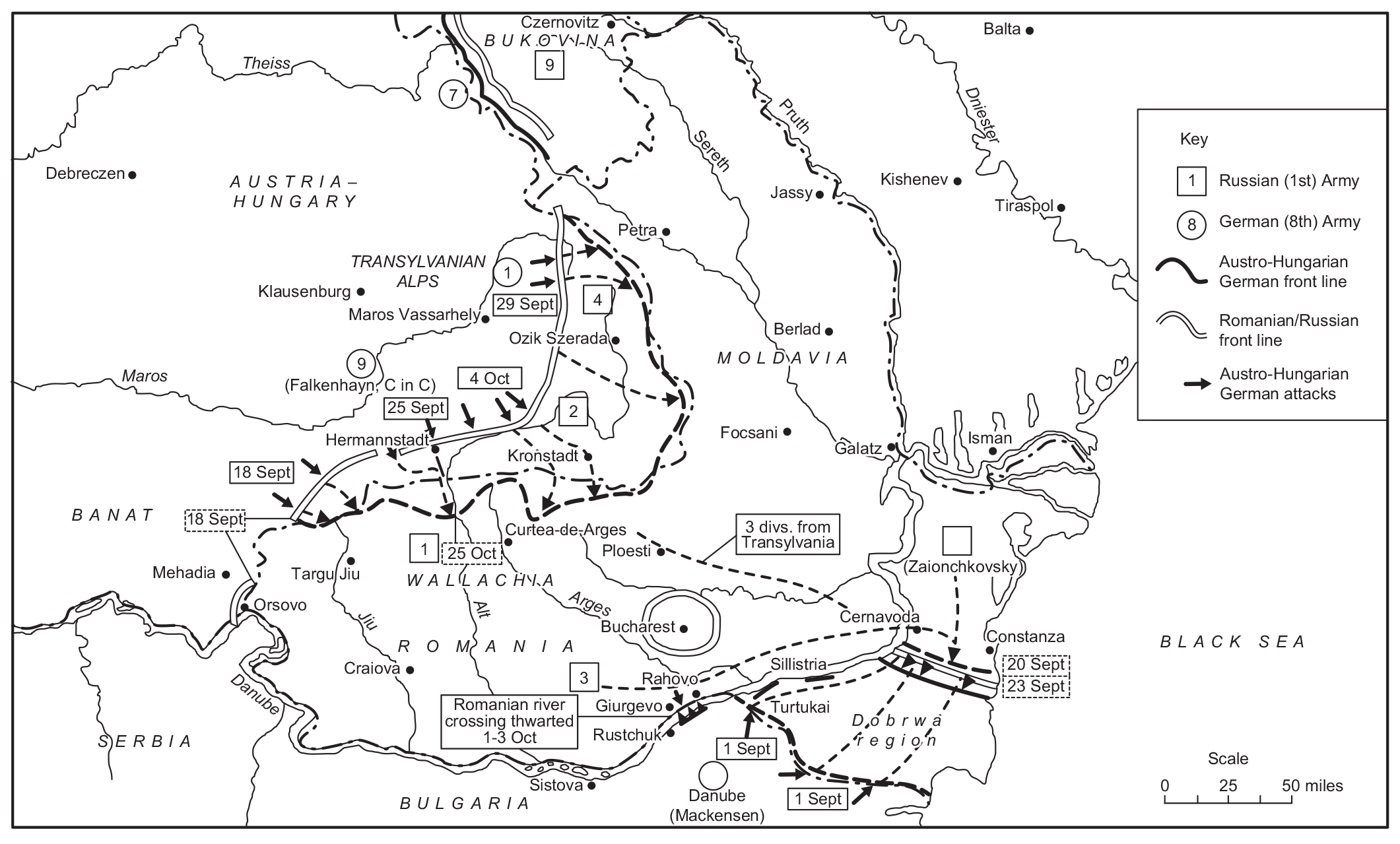
Romanian 5th Corps crossed the Danube at Silistra unopposed, occupying the Tutrakan–Balchik line and securing Southern Dobruja without a shot fired.
In July 1913 the Romanian 5th Corps entered Southern Dobruja with almost no opposition and occupied the Tutrakan-Balchik line. Because Bulgarian forces were committed elsewhere, the operation was essentially a bloodless coercive occupation rather than a conventional battle.
Casualties & Outcome
No combat casualties on either side. A handful of Romanian deaths attributed to heat exhaustion.
Romania achieved victory over Bulgaria.
Southern Dobruja became part of Romania through the Treaty of Bucharest (August 10, 1913). The province would change its master again in 1916 and 1940.
Historical Record


Significance & Legacy
Bloodless seizure of Southern Dobruja, finalized by the Treaty of Bucharest (August 1913).
The occupation became one of the most contested political outcomes of the Second Balkan War and remained a long-term source of Romanian-Bulgarian tension.
Frequently Asked Questions
- When was the Occupation of Southern Dobruja?
- The Occupation of Southern Dobruja took place in 1913. Jul 10–17, 1913.
- What was the outcome of the Occupation of Southern Dobruja?
- The Romania were victorious against the Bulgaria.
- What was the significance of the Occupation of Southern Dobruja?
- Bloodless seizure of Southern Dobruja, finalized by the Treaty of Bucharest (August 1913).