Battle of Baia(1467)
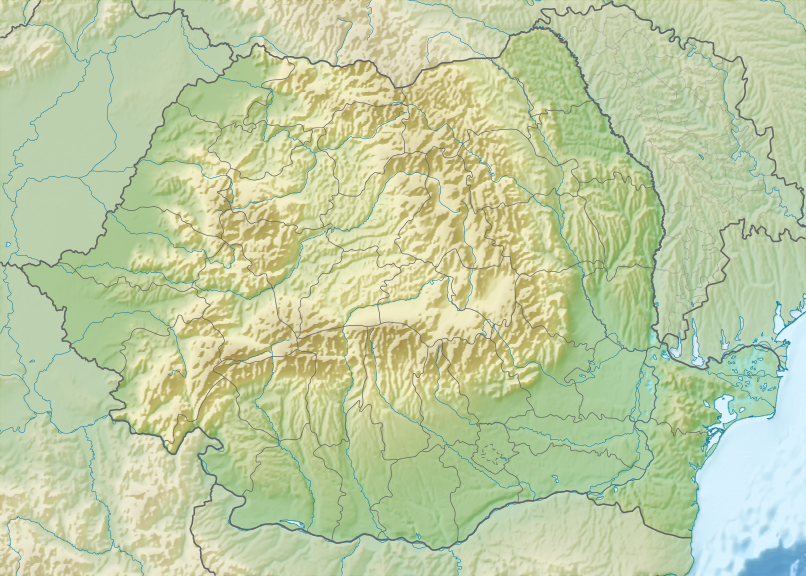
Approximate site. The pin marks a locally accepted site or a nearby anchor point, not a survey-grade position.
Town of Baia, Suceava County — Moldavian forces between Moldova River and Șomuz creek
Coordinate source: latitude.to GPS Baia Romania
Background
In 1359, Bogdan I of Moldova rebelled against the King of Hungary and founded an independent Moldova. However, the Hungarian attempts to seize control over Moldova did not end there, and in 1429, Sigismund, Holy Roman Emperor, and also King of Hungary, met with Władysław Jagiełło, King of Poland to try to persuade him to launch a joint attack on Moldova and divide the country in two equal parts—Polish and Hungarian. Sigismund argued that the Moldavian nation did not "owe allegiance to anyone, is accustomed to live by theft and brigandage and so is everyone's enemy." He also complained about not receiving any help for his struggle against the Turks. Due to the decline of Moldova during the civil war, the region reverted to Wallachia, with Chilia being co-ruled by Hungary and Wallachia. On 22 June 1462, when Prince Vlad III Dracula of Wallachia was fighting Sultan Mehmed II of the Ottoman Empire, Stephen launched an attack on Chilia (which was under Hungarian rule), with some Turkish assistance, with the objective of capturing the fortress. The Wallachians rushed to the help with 7,000 men and, together with the Hungarian garrison, battled the Moldavians and the Turks for eight days.
Campaign: Hungarian Invasion of Moldova 1467
Forces Engaged

The Battle

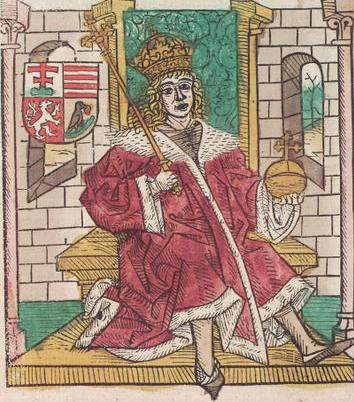
Matthias Corvinus invaded Moldova demanding tribute and vassal status. Stefan allowed the Hungarian army to occupy Baia, then launched a night attack. The town was set on fire; Hungarians trapped in burning buildings and narrow streets. Matthias wounded three times (by arrows), barely escaped. Over a third of his army killed.
The Battle of Baia was fought on December 15, 1467, between Moldavian prince Stephen the Great and the Hungarian king, Matthias Corvinus. Corvinus invaded Moldova as a consequence of Stephen's annexation of Chilia—a fortress and harbour on the coast of the Black Sea—from Hungarian and Wallachian forces. It had belonged to Moldova centuries earlier.
“Contemporary accounts describe the battle: "The fire made the night equally light as the day" and the fighting raged "with such a wrath, that nothing could be seen as more horrible than this."
Casualties & Outcome
Per Janus Pannonius: 11,000 casualties | 4,000–10,000 killed
Moldova achieved victory over Kingdom of Hungary.
Some sources claim the battle resulted in Moldavian victory. However, others claim Hungarian victory. Some of the Hungarian standards that were captured came with a "huge booty of tents, waggons and guns", which were sent to Casimir as proof of Stephen's victory. In 1468, Stephen campaigned in Transylvania, found Aron and had him executed. Stephen and Corvinus would later negotiate a peace treaty, with Stephen accepting Corvinus as his de jure liege lord. In 1475, Corvinus sent 6,800 soldiers that assisted Stephen in his victory at the Battle of Vaslui.
Historical Record






Significance & Legacy
Most spectacular of Stefan's military victories. King Matthias never again invaded Moldova. Established Stefan as unchallenged master of Moldova.
Captured Moldavian battle flags were hung in the Boldogasszony Church (Matthias Church) in Buda. Bishop Janus Pannonius dedicated three epigrams to the captured standards. The ruins of old Baia remain visible in Suceava County.
Frequently Asked Questions
- When was the Battle of Baia?
- The Battle of Baia took place in 1467. Dec 14–15, 1467.
- What was the outcome of the Battle of Baia?
- The Moldova were victorious against the Kingdom of Hungary.
- What was the significance of the Battle of Baia?
- Most spectacular of Stefan's military victories. King Matthias never again invaded Moldova. Established Stefan as unchallenged master of Moldova.