Battle of Șcheia (on the Siret River)(1486)
Approximate site. The pin marks a locally accepted site or a nearby anchor point, not a survey-grade position.
Șcheia on the Siret River, Suceava County — Stefan blocked the river crossing
Coordinate source: Wikipedia Battle of Șcheia
Background
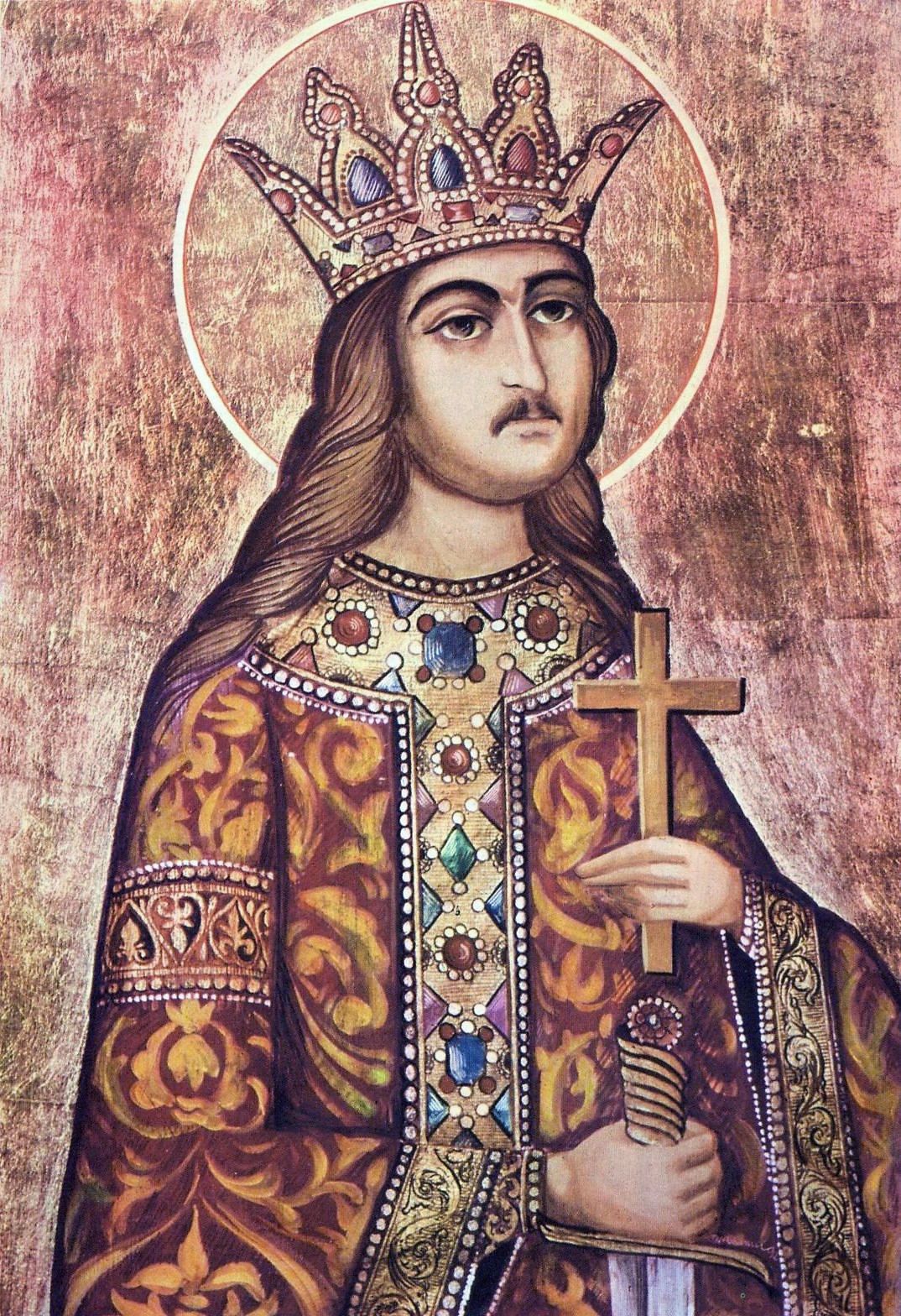
Returning from Poland, Stephen had to face an Ottoman invasion, an Ottoman expeditionary force commanded by the Beylerbey of Rumelia, "Hadâm" Ali Pasha, who brought a pretender to the throne, Hronoda (Hroet, Hronet, Hroiot), devastating numerous localities, including the capital Suceava. His army, hastily mobilized and reinforced with 3,000 cavalry provided by Casimir IV, could not catch up with the Ottoman army, but at Cătlăbuga (November 16, 1485), Stephen inflicted a heavy defeat on the forces led by Bali Bey Malkocioglu, the Pasha of Silistria, who had come to plunder in southern Moldova. The cities of Chilia and Cetatea Albă could not be captured, but he did not abandon this very important objective, the support of the northern kingdom being essential. In the spring of 1486, Stephen the Great faced an especially difficult situation.
Campaign: Moldavian-Ottoman Frontier Wars 1484–1487
Forces Engaged

The Battle
Follow-up Ottoman-Tatar expedition to punish Moldova after Catlabuga. Stefan met them on the Siret near Șcheia and won a decisive tactical victory. Combined Ottoman-Tatar force routed.
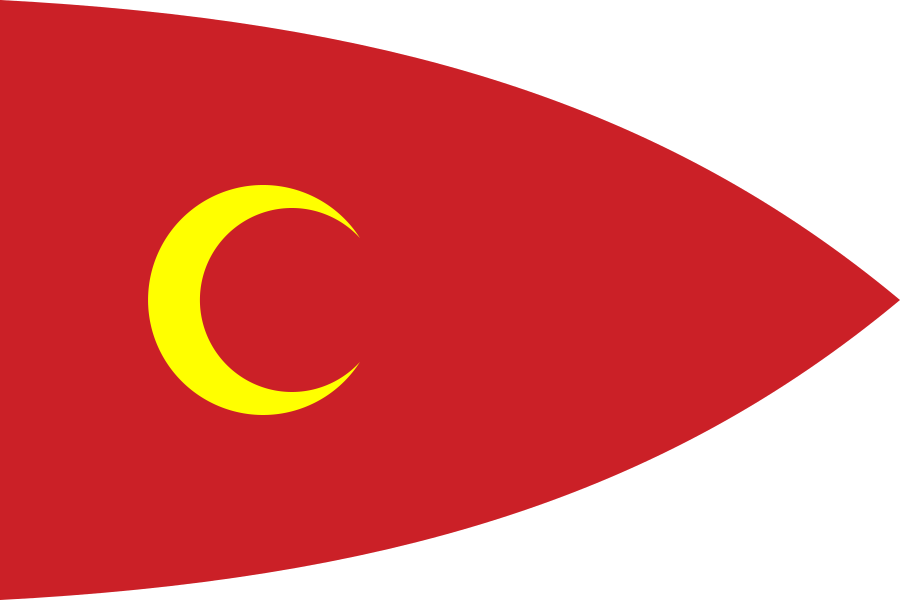
The Battle of Șcheia took place on 6 March 1486 between the forces of Stephen the Great and advancing Ottoman Empire troops moving along the Siret River valley toward Suceava, with the aim of installing the pretender Hronoda (Hroiot) on the throne. Although Stephen was the protagonist of an incident that could have cost him his life, the pretender was killed by a stratagem. The Battle of Șcheia was the last known confrontation between Moldova and the Ottoman Empire, concluding Stephen's 13-year war against Ottoman suzerainty.
Casualties & Outcome
Moldova achieved victory over Ottoman Empire / Tatar auxiliaries.
In the following period, especially after the conclusion of the peace between the Kingdom of Poland and the Ottoman Empire (March 21, 1489), without Moldova recovering the two cities, Chilia and Cetatea Albă, Stephen the Great reoriented his foreign policy, establishing good relations with the Kingdom of Hungary and the Ottoman Empire. As a result, relations with Poland, incapable of fulfilling its assumed obligations, deteriorated.
Historical Record
Significance & Legacy
Ended Ottoman-Tatar coordinated offensives against Moldova for several years. Established a relative peace.
Frequently Asked Questions
- When was the Battle of Șcheia (on the Siret River)?
- The Battle of Șcheia (on the Siret River) took place in 1486. Mar 16, 1486.
- What was the outcome of the Battle of Șcheia (on the Siret River)?
- The Moldova were victorious against the Ottoman Empire / Tatar auxiliaries.
- What was the significance of the Battle of Șcheia (on the Siret River)?
- Ended Ottoman-Tatar coordinated offensives against Moldova for several years. Established a relative peace.