HomeAll BattlesHistorical Periods
  1. Home
  2. ›
  3. Medieval Principalities
  4. ›
  5. Battle of the Ialomița River

Battle of the Ialomița River(1442)

Explore on Interactive Map
Sep 1442·Hungary / Transylvania / Wallachia victory·land·Ialomița river valley, Wallachian plain

Background

left|Europe in 1400 King Sigismund of Hungary (reigned 1387–1437) pursued an effective, decades-long, fundamentally defensive policy in the Hungarian–Ottoman Wars. left|Calvary altar with the representation of King Sigismund, Holy Roman Emperor|Sigismund of Hungary (Garamszentbenedek, Kingdom of Hungary, 1427) King Sigismund ordered Franko Tallóci, John Ország, and John Marczaly to lead a contingent of Hungarian, Polish, and Czech soldiers in a raid against Turkish territory in the summer of 1437. Ali Bey, the marcher lord of Vidin, assembled an Ottoman force to pursue and attack the Hungarian raiders. Due in part to the valiant and decisive actions of Franko Tallóci, the Ottoman force was routed, and the Hungarians pursued the retreating Ottomans, inflicting casualties where possible. The Raid on Kruševac was the largest and most successful Hungarian incursion in many years. It penetrated more than 100 kilometers into enemy territory, inflicted multiple defeats, and crippled the Ottoman river fleet. The raid had two significant consequences. First, it marked the first major offensive undertaken by the Hungarians in years, demonstrating the potential effectiveness of such operations.

Campaign: Hunyadi's Anti-Ottoman Campaigns 1441–1443

Forces Engaged
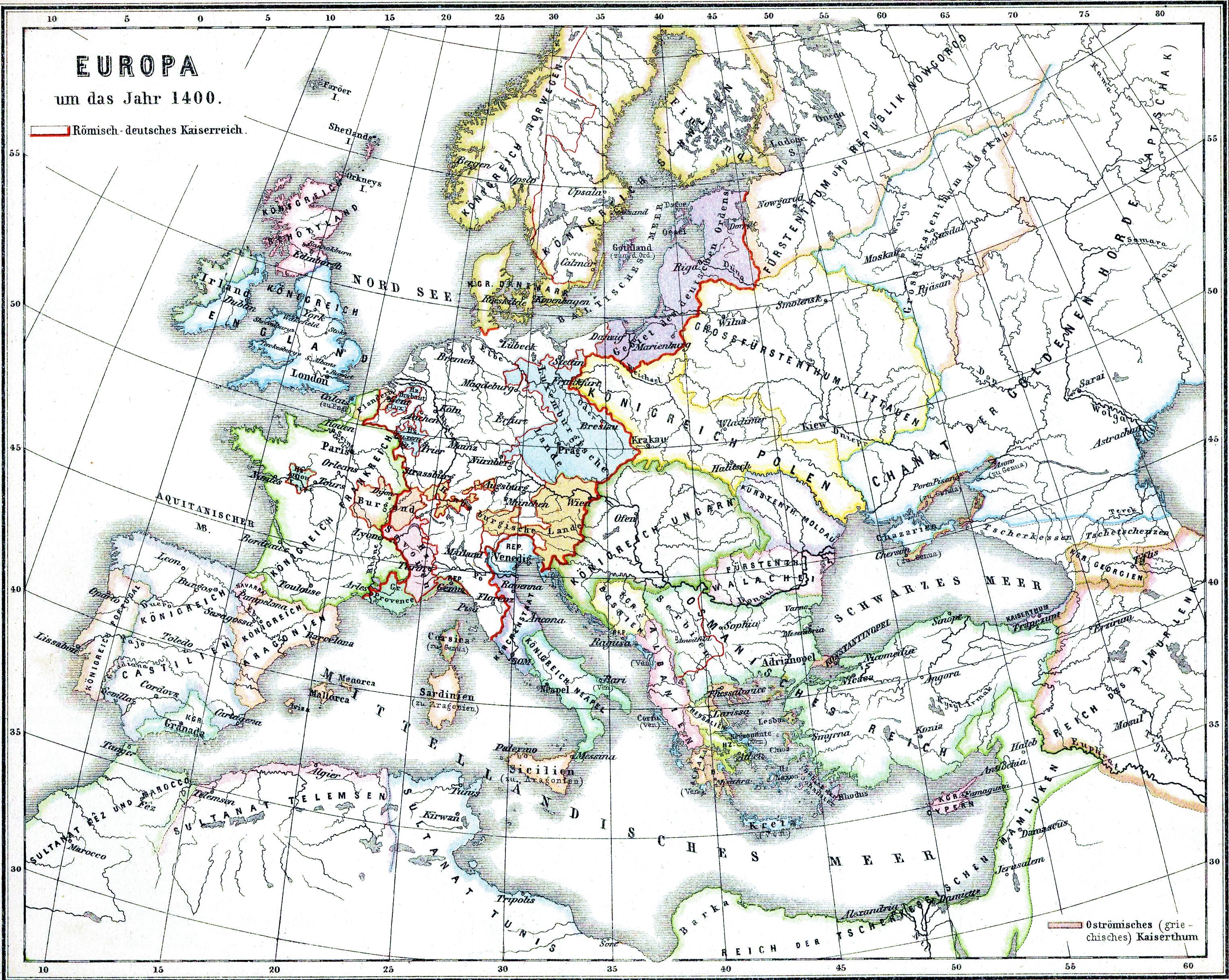
Europa 1400 — related to Battle of the Ialomița River (1442)
Europa 1400 — related to Battle of the Ialomița River (1442) (c. 1879) — H.Kiepert. Public domain.
Victor
Hungary / Transylvania / Wallachia
Commander: Iancu de Hunedoara
Strength: 15,000
Defeated
Ottoman Empire
Commander: Şehabeddin Pasha (Beylerbey of Rumelia)
Strength: 80,000

The Battle

John Hunyadi (Iancu de Hunedoara), voivode of Transylvania — portrait by Károly Lotz
John Hunyadi (Iancu de Hunedoara), voivode of Transylvania — portrait by Károly Lotz (c. 1870) — Károly Lotz (19th century). Oil on canvas. Public domain.

After Hermannstadt, the Ottomans sent an 80,000-strong punitive army under Şehabeddin Pasha. Hunyadi, badly outnumbered, used brilliant maneuvering on the Ialomița River in Wallachia. Lured the Ottomans into a tactical trap, routed the army. Placed pro-Hungarian Basarab II on the Wallachian throne.

The Battle of the Ialomița was fought in early September 1442 between the army of the Kingdom of Hungary and the Ottoman Empire. The Hungarian army, led by John Hunyadi, defeated the forces of Şehabeddin Pasha, the Provincial Governor of Rumelia, in the upper valley of the Ialomița River, located south of the Carpathian Mountains in Wallachia. Şehabeddin, overconfident and seeking to avenge Mezid Bey's defeat at the Battle of Iron Gate, instead suffered an even more disastrous defeat.

Casualties & Outcome

2,000
Hungary / Transylvania / Wallachia
casualties
20,000
Ottoman Empire
casualties

Heavy casualties | Heavy casualties, about half the army All 16 sanjak beys were killed, representing around half of the sanjak beys in the empire (some Ottoman sources) 28,000 (chronicle from Messembria)

Hungary / Transylvania / Wallachia achieved victory over Ottoman Empire.

The Hungarian forces seized substantial plunder. In his haste to retreat, Şehabeddin abandoned the majority of his camp's possessions, which reportedly included 5,000 camels and an uncountable number of horses. 5000 prisoners and 200 Ottoman banners were captured, News of Hunyadi's victories had reached well beyond Hungary's borders. Across the Western world, enthusiasm was growing for the campaign against the infidels. The idea of a Holy War, though strongly supported by Pope Eugenius IV, was also widely reviled. The pope dispatched his envoy, Cardinal Giuliano Cesarini, to Buda to mediate Hungary's internal conflicts and, above all, to urge the launch of a crusade against the Turks. The victorious Hungarian campaigns against the Ottomans in 1442 strengthened the position of Vladislaus I as king of Hungary. The Pope firmly aligned itself with him, seeking to restore Hungary's political unity in order to enable a renewed offensive against the Ottomans.

Historical Record

Hungarian Governor John Hunyadi ( c. 1407 – 1456)
Hungarian Governor John Hunyadi ( c. 1407 – 1456) (c. 1650) — Unknown painterUnknown painter. Public domain.
Ciochina2008c — related to Battle of the Ialomița River (1442)
Ciochina2008c — related to Battle of the Ialomița River (1442) (c. 2008) — Ben Skála, Benfoto. CC BY-SA 4.0.
Murad II. Hünername, folio 143b. TSMK Hazine 1523 (created 1584-1588)
Murad II. Hünername, folio 143b. TSMK Hazine 1523 (created 1584-1588) (c. 1584) — 1584-1588 artist. Public domain.
Osmanic miniature: Deli Sinan (left) fighting against the Hungarian Eugene. 1526
Osmanic miniature: Deli Sinan (left) fighting against the Hungarian Eugene. 1526 (c. 1550) — Painter A. Public domain.
Nadgrobna ploča Nikole Iločkog (1410-1477), kralja Bosne, u Crkvi svetog Ivana Kapistrana u Iloku, Hrvatska   Gravestone of Nikola Iločki (1410-1477), King of Bosnia, in the St. John of Capistrano Chu
Nadgrobna ploča Nikole Iločkog (1410-1477), kralja Bosne, u Crkvi svetog Ivana Kapistrana u Iloku, Hrvatska Gravestone of Nikola Iločki (1410-1477), King of Bosnia, in the St. John of Capistrano Chu (c. 2008) — Roberta F.. CC BY-SA 3.0.
Memorial of John Hunyadi - Zajkány, Hunyad Country, Transylvania, Kingdom of Hungary (today's Zeicani in Romania), (Postcard from 1911)  It was erected in 1896 to commemorate the victory of John Hunya
Memorial of John Hunyadi - Zajkány, Hunyad Country, Transylvania, Kingdom of Hungary (today's Zeicani in Romania), (Postcard from 1911) It was erected in 1896 to commemorate the victory of John Hunya (c. 1911) — Adler fényiroda, Szászváros / Adler Photo Studio - Szászváros, Kingdom of Hungary (now Orăștie in Ro. Public domain.
Chronica Hungarorum - The battle of Voivode John Hunyadi at the Iron Gate
Chronica Hungarorum - The battle of Voivode John Hunyadi at the Iron Gate (c. 1488) — Johannes de Thurocz. Public domain.
Hungarian Governor John Hunyadi ( c. 1407 – 1456)
Hungarian Governor John Hunyadi ( c. 1407 – 1456) (c. 1650) — Unknown painterUnknown painter. Public domain.
Europa 1400 — related to Battle of the Ialomița River (1442)
Europa 1400 — related to Battle of the Ialomița River (1442) (c. 1879) — H.Kiepert. Public domain.
Ciochina2008c — related to Battle of the Ialomița River (1442)
Ciochina2008c — related to Battle of the Ialomița River (1442) (c. 2008) — Ben Skála, Benfoto. CC BY-SA 4.0.
Murad II. Hünername, folio 143b. TSMK Hazine 1523 (created 1584-1588)
Murad II. Hünername, folio 143b. TSMK Hazine 1523 (created 1584-1588) (c. 1584) — 1584-1588 artist. Public domain.
Osmanic miniature: Deli Sinan (left) fighting against the Hungarian Eugene. 1526
Osmanic miniature: Deli Sinan (left) fighting against the Hungarian Eugene. 1526 (c. 1550) — Painter A. Public domain.
Nadgrobna ploča Nikole Iločkog (1410-1477), kralja Bosne, u Crkvi svetog Ivana Kapistrana u Iloku, Hrvatska   Gravestone of Nikola Iločki (1410-1477), King of Bosnia, in the St. John of Capistrano Chu
Nadgrobna ploča Nikole Iločkog (1410-1477), kralja Bosne, u Crkvi svetog Ivana Kapistrana u Iloku, Hrvatska Gravestone of Nikola Iločki (1410-1477), King of Bosnia, in the St. John of Capistrano Chu (c. 2008) — Roberta F.. CC BY-SA 3.0.
Memorial of John Hunyadi - Zajkány, Hunyad Country, Transylvania, Kingdom of Hungary (today's Zeicani in Romania), (Postcard from 1911)  It was erected in 1896 to commemorate the victory of John Hunya
Memorial of John Hunyadi - Zajkány, Hunyad Country, Transylvania, Kingdom of Hungary (today's Zeicani in Romania), (Postcard from 1911) It was erected in 1896 to commemorate the victory of John Hunya (c. 1911) — Adler fényiroda, Szászváros / Adler Photo Studio - Szászváros, Kingdom of Hungary (now Orăștie in Ro. Public domain.
Chronica Hungarorum - The battle of Voivode John Hunyadi at the Iron Gate
Chronica Hungarorum - The battle of Voivode John Hunyadi at the Iron Gate (c. 1488) — Johannes de Thurocz. Public domain.

Significance & Legacy

Most decisive Hunyadi victory up to that point. Proved that an Ottoman army of any size could be defeated through superior tactics. Secured Wallachian alliance with Hungary.

Frequently Asked Questions

When was the Battle of the Ialomița River?
The Battle of the Ialomița River took place in 1442. Sep 1442.
Who won the Battle of the Ialomița River?
The Hungary / Transylvania / Wallachia were victorious against the Ottoman Empire.
What was the significance of the Battle of the Ialomița River?
Most decisive Hunyadi victory up to that point. Proved that an Ottoman army of any size could be defeated through superior tactics. Secured Wallachian alliance with Hungary.

Related Battles

Battle of Semendria / Iron Gates Campaign1441 · Hungary / Transylvania victoryBattle of Hermannstadt (Sibiu)1442 · Hungary / Transylvania victoryBattle of Varna1444 · Ottoman Empire victoryWallachian-Hungarian Campaign (Prahova / Argeș front)1330 · Wallachia victoryBattle of Posada1330 · Wallachia victoryFirst Battle of Kosovo Polje (Wallachian involvement)1389 · Ottoman Empire victory
View all Medieval Principalities battles →

Sources

  • Thuróczy, János — Chronica Hungarorum
Wikipedia (English)← Back to Atlas